
The arrival of warm weather brings more than just a change in season but also an opportunity for senior to have summer socialization. For older adults across Ingham County, the summer months represent a critical, time-sensitive window for health optimization. While physical exercise and a balanced diet are frequently discussed components of healthy aging, contemporary neurological research reveals another, equally potent medical intervention: socialization and brain health in elderly demographics.
For families researching dementia prevention strategies for seniors, understanding the intersection of seasonal shifts and cognitive health is vital. Chronic isolation isn’t just a subjective feeling; it is a clinical risk factor. Fortunately, the summer months offer a natural remedy—provided families know how to leverage it.
1. The Neurobiology of Connection: How Summer Socialization Builds Cognitive Reserve
To understand why human interaction is foundational to cognitive longevity, geophysiologists and neurologists point to the “cognitive reserve hypothesis.” Cognitive reserve refers to the brain’s resilience—its capacity to improvise, find alternative neural pathways, and continue functioning normally even when facing underlying cellular damage or aging.
| Stage | Process | Neurological Outcome | Long-Term Benefit |
| 1. Primary Input | Social & Mental Stimulation | Triggers active communication and complex environmental interaction. | Initiates neural engagement. |
| 2. Cellular Response | Synaptic Plasticity | Forges new neural pathways and strengthens existing brain connections. | Accelerates brain adaptation. |
| 3. Structural Defense | Enhanced Cognitive Reserve | Builds a resilient neurological buffer against age-related changes. | Maximizes mental stamina. |
| 4. Clinical Objective | Delayed Cognitive Decline | Preserves long-term memory, verbal fluency, and spatial awareness. | Protects cognitive longevity. |
Engaging in summer socialization is one of the most mentally demanding tasks a human brain can perform. A simple conversation on a backyard patio requires the brain to simultaneously process auditory data, interpret facial expressions, regulate emotional responses, retrieve memories, and formulate linguistic replies.
This multi-system activation triggers synaptic plasticity, forging new neural connections and strengthening existing pathways. Consequently, data regarding the neurological benefits of senior socialization shows a direct, measurable correlation between high levels of social integration and a lower risk of cognitive decline. Building this senior cognitive reserve and social health baseline serves as a primary defense mechanism against neurodegenerative diseases.
2. Reversing “Winter Isolation Syndrome”: A Critical Window for Michigan Seniors
While social isolation is a year-round challenge, its impact is heavily amplified in the Midwest. The long, icy winters of Michigan frequently enforce a state of involuntary confinement. Treacherous sidewalks and freezing temperatures mean many seniors spend months with limited face-to-face interaction—a phenomenon clinicians often refer to as “winter isolation syndrome.” That is why summer socialization for senior in these cold places is vital for the balance of senior cognitive functions.
This prolonged winter dormancy has direct, measurable physiological consequences:
- Immune Suppression: Chronic isolation activates the body’s fight-or-flight response, causing a sustained release of cortisol. Over time, this dampens white blood cell production, compromising the body’s natural defense mechanisms.
- Accelerated Cognitive Decline: The lack of environmental and conversational stimuli causes neural pathways to remain dormant, accelerating memory lapses and spatial disorientation.
- Mood Disturbances: Reduced sunlight paired with zero social touchpoints significantly degrades serotonin levels, causing localized depression and anxiety.
The Winter Isolation Cycle
| Phase | Environmental/Biological Trigger | Physiological & Cognitive Impact |
| 1. Environmental Trigger | Long Michigan Winter | Treacherous weather and freezing temperatures enforce involuntary home confinement. |
| 2. Biological Stress | Elevated Cortisol Levels | Prolonged isolation activates stress pathways, directly leading to suppressed immunity. |
| 3. Cognitive Decline | Reduced Neural Stimuli | A lack of daily social and environmental engagement results in accelerated memory loss. |
Summer presents a brief, high-value window to break this cycle. The cognitive benefits of staying active in summer socialization function as a system reset. Stepping outside into the sunlight and engaging with a community helps reverse winter-induced cognitive stagnation, serving as one of the most effective natural mood lifters for older adults.
3. Cellular Benefits: From Immune Resilience to Longevity
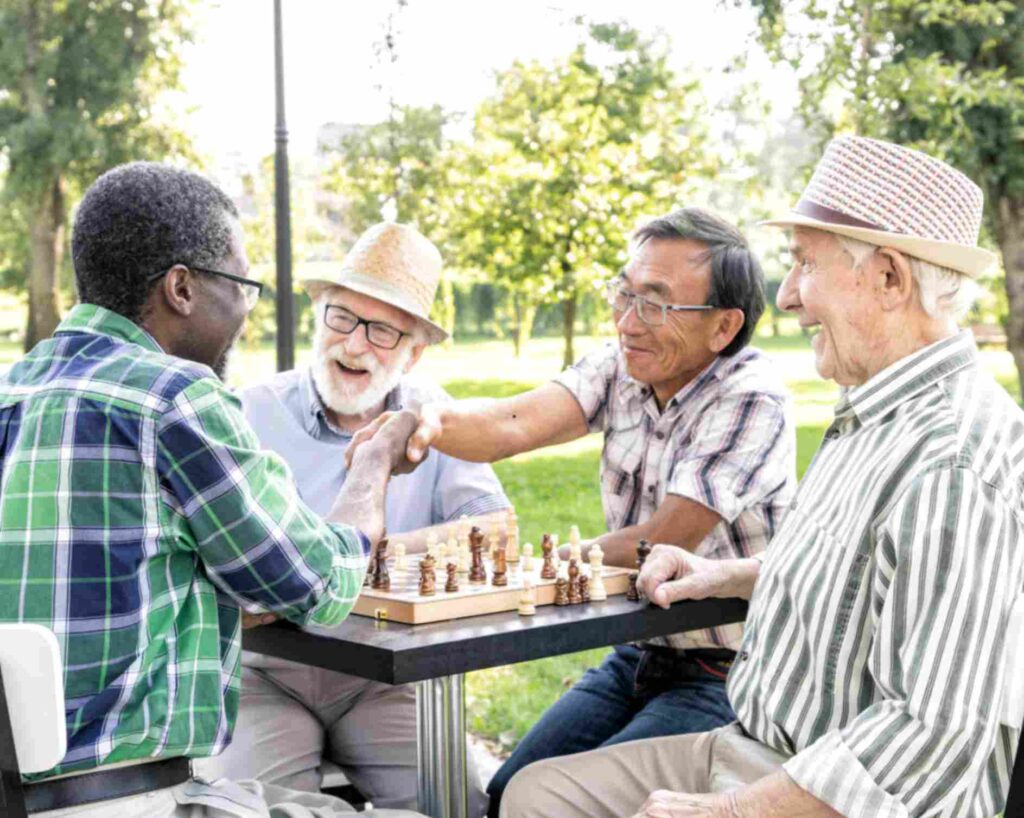
The rewards of active summer engagement extend far beyond psychological well-being; they manifest directly at the cellular level, impacting both immune health and overall lifespan.
Strengthening the Aging Immune System
When looking into how to improve elderly immune system function, families often overlook the neuroendocrine pathway. Positive summer socialization experiences down-regulate genes associated with systemic inflammation and up-regulate antiviral response genes. Combined with the natural Vitamin D synthesis triggered by safe summer sun exposure, consistent social engagement acts as a profound biological shield against seasonal pathogens and chronic inflammation.
The Impact on Longevity
Epidemiological studies tracking aging cohorts over multiple decades have reached a staggering conclusion: a lack of social connection carries a health risk equivalent to smoking 15 cigarettes a day. Conversely, strong communal bonds through summer socialization are among the most robust predictors of longevity. The impact of social connection on senior longevity is rooted in cardiovascular regulation, lower systemic inflammation, and a reduced risk of stress-induced vascular events like strokes or hypertensive crises.
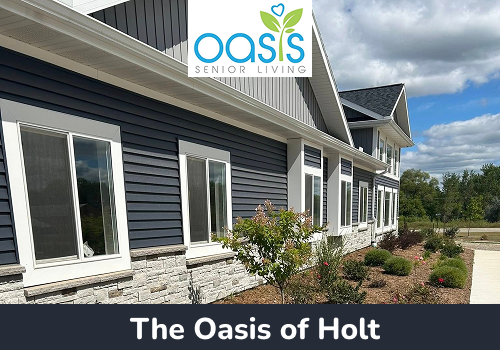
4. The Oasis of Holt: Architectural and Communal Care Built for Connection
Understanding the abstract science of cognitive reserve is the first step; translating it into daily life is the second. For families exploring memory care communities in Ingham County, the physical and operational structure of a senior living community dictates how easily these brain-healthy habits can be formed.
The Oasis of Holt: Brain Health Ecosystem
| Community Feature | Architectural Design | Key Health & Wellness Benefits |
| 4 Outdoor Courtyards | Secure, level walking paths wrapped in continuous greenery. | • Safe Mobility: Encourages physical movement without fall risks. • Natural Vitamin D: Boosts the immune system and regulates sleep cycles. |
| Sunrooms & Patios | Expansive, light-filled spaces designed for climate-controlled comfort. | • Year-Round Light: Wards off seasonal blues. • Low-Stress Spaces: Provides quiet, inviting areas for reading or casual chatting. |
| Seasonal Outings | Scheduled neighborhood excursions and local community trips. | • Structured Socials: Makes making friends easy and stress-free. • Local Integration: Keeps residents deeply tied to the culture of Greater Lansing. |
The Oasis of Holt is intentionally designed around this clinical reality. Rather than relying on static, indoor-only spaces, the community features an architectural footprint that acts as a catalyst for socialization:
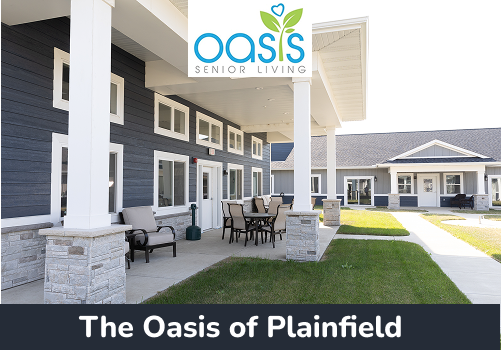
- Four Beautifully Landscaped Courtyards: Safe, secure, and easily accessible outdoor spaces allow residents to stroll, sit safely under shaded canopies, and interact with neighbors without navigating the hazards of public parks.
- Sunrooms and Patios: Specially designed indoor-outdoor hybrid spaces ensure that even on humid days, residents can enjoy expansive natural light, which is critical for regulating circadian rhythms and stabilizing mood.
- Summer Activity Frameworks: From structured outdoor gatherings to low-stress patio events, the lifestyle program removes the friction of planning, making organic interaction a seamless, daily experience.
Whether a family is seeking a permanent residence or looking for specialized respite care in Lansing to give a primary caregiver a well-deserved summer break, the ecosystem at The Oasis ensures seniors don’t spend their summer in isolation.
Finding Local Expertise: Transitioning to Specialized Care
For families seeing the initial warning signs of cognitive changes in a loved one, general senior activities may no longer be enough. When specialized care becomes necessary, expanding your search to top-tier memory care in Okemos, Michigan and the surrounding Greater Lansing area ensures your family secures the precise clinical overwatch needed.
The right local community doesn’t isolate a senior for safety; instead, it uses tailored, secure environments to maximize independence, promote active socialization, and protect vital brain health.
Experience Our Vibrant Community Firsthand
The warm Michigan summer is a beautiful time to take proactive steps for your loved one’s cognitive and emotional future. We invite you to see how our unique, neighborhood-focused care keeps seniors connected, active, and thriving.
Contact The Oasis of Holt today to schedule a personalized tour of our grounds, explore our outdoor spaces, and discover the difference dedicated local senior care can make.

Neil Beltran 7 July 2026
Authoritative Reference Framework
- National Institute on Aging (NIA): Cognitive Health and the Role of Social Isolation in Alzheimer’s Disease Prevention.
- Harvard Medical School / Center for Brain Health: The Cognitive Reserve Hypothesis and Lifelong Neuroplasticity.
- Michigan Department of Health and Human Services (MDHHS): Physical and Mental Wellness Strategic Guidelines for Older Adults.