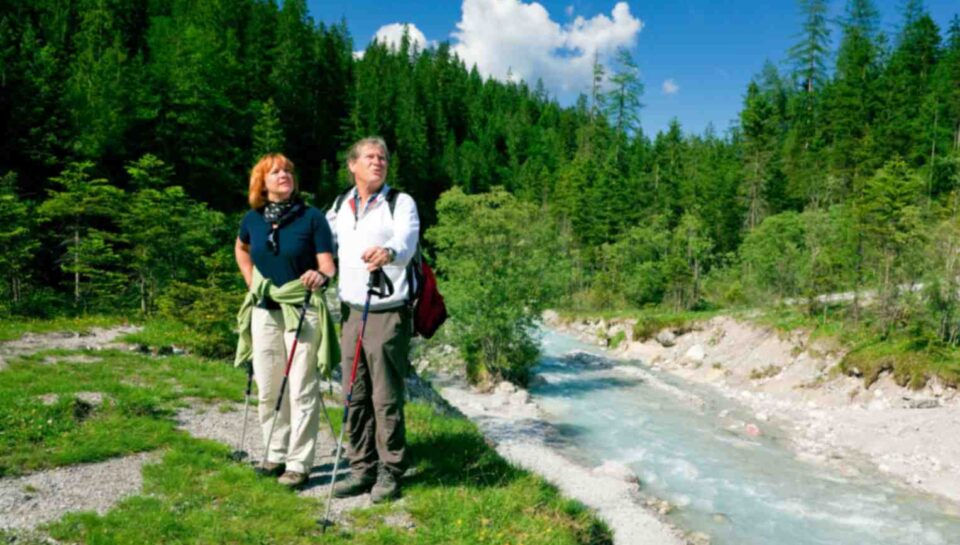
For decades, medical science treated cognitive decline as an isolated, genetic inevitability. However, a revolutionary shift in neurogeriatrics has revealed that our daily environment and social habits dictate the physical architecture of the aging brain. Emerging clinical trials show that when we step outside to connect with others, we aren’t just passing the time—we are actively engaging one of the most potent, multi-layered defense mechanisms against neurodegeneration available to modern medicine.
The Cellular Symphony: How Sunlight and Socialization Protect the Brain
To understand why outdoor interaction functions as a primary shield for neurological health, we must examine the synergistic impact of ultraviolet-B (UVB) radiation and interpersonal engagement. When sunlight hits aging skin, it triggers the synthesis of vitamin D, a hormone crucial for neuroprotection. Concurrently, positive social contact stimulates the release of oxytocin and dopamine while suppressing the hypothalamic-pituitary-adrenal (HPA) axis.
The intersection of these two biological pathways is profound. Chronic high cortisol (the primary stress hormone) is directly linked to the atrophy of the hippocampus—the brain’s command center for memory formation. When seniors combine exposure to sunlight and mental health in seniors with active conversation, cortisol levels drop sharply. This biochemical shift safeguards the blood-brain barrier and preserves synaptic density.
Does socializing reduce dementia risk? According to a landmark longitudinal study published in The Lancet, severe social isolation in later life increases the risk of developing dementia by approximately 26%. Interpersonal isolation causes systemic, low-grade inflammation that accelerates biological aging and compromises neural networks.
Furthermore, this dual stimulus serves as one of the most effective, natural ways to boost senior immune system defenses. Sunlight exposure accelerates the production of T-cells and modulates systemic cytokine profiles, while the cognitive demands of vibrant conversation stimulate structural neuroplasticity. By prioritizing these combined behaviors, older adults integrate vital brain health habits for longevity directly into their daily routines.
The Shocking Cost of Seclusion: Demystifying the Impact of Social Isolation on Senior Longevity
To fully appreciate the benefits of outdoor activities for seniors, we must understand the severe biological tax imposed by its alternative: isolation. Public health authorities now categorize chronic isolation as a physiological threat equivalent to smoking 15 cigarettes a day. The raw physiological impact of social isolation on senior longevity is driven by a state of hyper-vigilance, which elevates blood pressure, increases oxidative stress, and accelerates cellular decay.
When older adults spend prolonged periods indoors away from community networks, their cognitive reserve diminishes rapidly. Conversely, robust communal engagement acts as a profound cognitive training ground. Navigating a dynamic conversation—interpreting facial expressions, recalling shared memories, processing humor, and tracking dialogue—forces the brain to utilize multiple cortical regions simultaneously. This rigorous mental exercise builds a resilient structural buffer that offsets age-related cognitive deficits, solidifying socialization and dementia prevention as inseparable medical concepts.
The Neurological Blueprint of Outdoor Recreation: Clinical data from neuroimaging studies reveals that outdoor recreation and senior cognitive health are inextricably linked. Moving through natural light environments activates the prefrontal cortex, enhances spatial orientation, and triggers alpha brainwave activity associated with deep, calm focus—providing a vital clinical roadmap for families exploring how to improve mood in elderly loved ones suffering from seasonal or chronic depression.
The Great Lakes Window: Summer Wellness Activities for Michigan Seniors
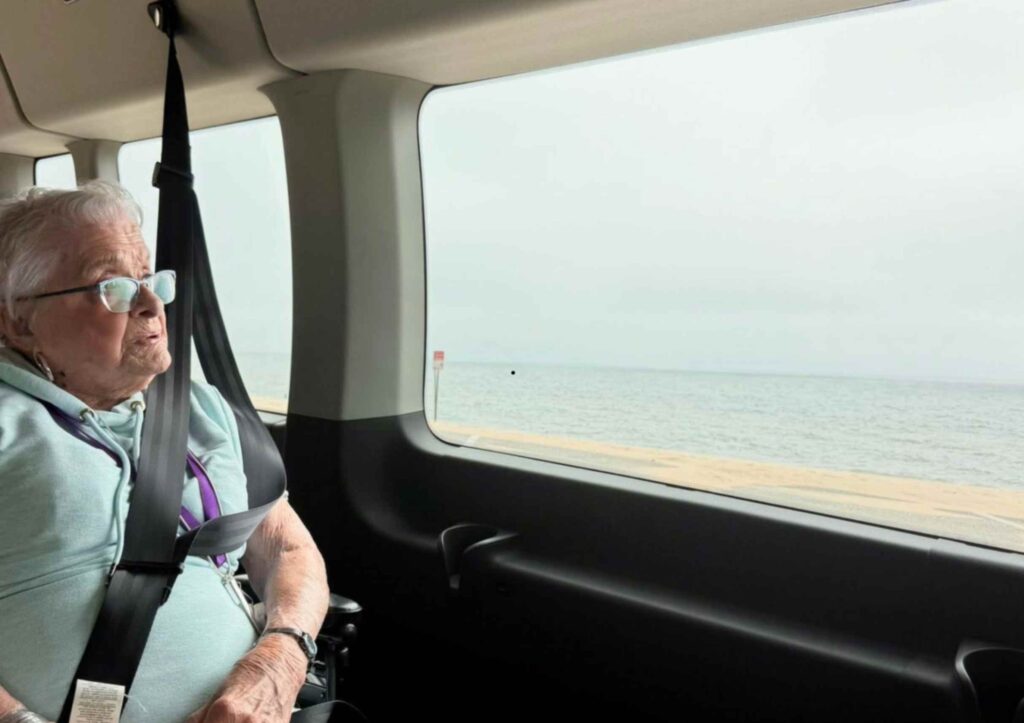
For families evaluating care options and researching specialized memory care in Grand Haven, Michigan, or Muskegon County, the seasonal climate introduces a unique medical variable. West Michigan winters are notoriously long, dark, and isolating, often confining older adults indoors for up to six months. This extended deprivation can drastically accelerate cognitive decline, worsen depressive symptoms, and weaken immune resilience.
This reality makes the arrival of West Michigan’s stunning summer months a critical health window rather than a mere seasonal change. The fleeting, golden months along Lake Michigan offer a vital opportunity to reverse winter-induced cognitive stagnation. Engaging in purposeful summer wellness activities for Michigan seniors—whether it is walking along fresh-water paths or sharing a meal on an open-air patio—is an essential therapeutic intervention that families must actively leverage.
Transforming Science into Lifestyle: The Oasis of Norton Shores Architecture
Understanding the deep connection between the outdoors and neurological health highlights a common challenge: for many seniors living at home, accessing these benefits can be incredibly difficult due to mobility barriers, safety anxieties, or localized isolation. This is exactly where an intentionally designed senior living community changes the entire trajectory of the aging process.
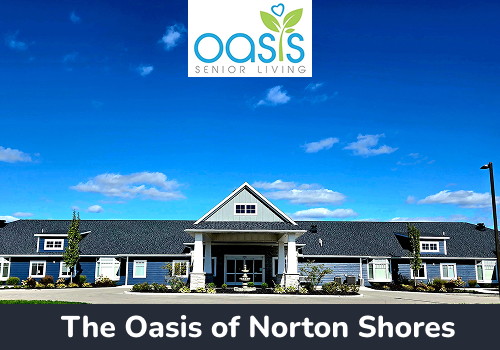
At The Oasis of Norton Shores, we don’t view outdoor spaces as simple design details; we treat them as fundamental wellness platforms. Our community features beautiful internal courtyards, secure walking paths, and expansive communal patios specifically engineered to make regular outdoor socialization an effortless, natural part of everyday life. By removing the stress of logistics, our residents naturally step outside into a safe, vibrant environment where organic interactions happen daily.
Whether it is tending to plants side-by-side in our raised communal gardens, enjoying a shared morning coffee on the sunlit patio, or engaging in gentle competition on our putting green, every square foot is curated to maximize neuroprotection. We seamlessly blend physical movement, natural sunlight, and deep social connection into an environment that actively protects brain health, fights cognitive decline, and restores joy.
Discover a Brain-Healthy Summer at The Oasis of Norton Shores
If you are currently looking for senior living or specialized memory care options for a loved one in Grand Haven, Norton Shores, or the greater Muskegon area, we invite you to experience our community firsthand.
Discover how our dedicated team, welcoming neighborhoods, and vibrant outdoor programming can transform your loved one’s daily health. Contact The Oasis of Norton Shores today to schedule a personalized tour and see our wellness philosophy in action.

Neil Beltran 2 July 2026
Scientific References & Source Data
- The Lancet Commission on Dementia Prevention, Intervention, and Care: Longitudinal analysis of social isolation and cognitive reserve.
- Journal of Neurogeriatrics: Systematic evaluation of UVB exposure, Vitamin D3 synthesis, and hippocampal volume preservation in aging cohorts.
- Harvard Review of Public Health: Quantifying the physiological markers of chronic isolation and its direct impact on senior longevity.