
When families sit down to evaluate nutritional care for senior diets, the conversation almost always centers on one macro-nutrient: protein. From high-protein shakes to fortified meals, the fitness and senior health industries have heavily emphasized muscle mass retention, sarcopenia prevention, and physical strength.
While protein is undeniably vital, modern nutritional epidemiology reveals a striking imbalance in geriatric care: evaluating dietary fiber intake vs. protein overemphasis in geriatric diets exposes a massive nutritional gap.
According to national dietary surveys, while many older adults meet minimum protein targets, over 95% of seniors fall dangerously short of their daily recommended fiber intake. This hidden deficiency subtlely impacts energy levels, immune function, digestive health, and cognitive resilience.
With summer in full swing across North Oakland County and the Holly Farmers Market blooming at Crapo Park, local produce offers a natural remedy. Discover why fiber is the master key to healthy aging, how the gut-brain connection shapes cognitive clarity, and how integrating farm-to-table nutrition into North Oakland County senior care enhances longevity and daily vitality.
The Biological Myth: Fiber vs. Protein for Senior Energy
For decades, fatigue in older adults was assumed to stem primarily from muscle wasting or insufficient protein intake. However, current clinical research highlights fiber vs. protein for senior energy through a different physiological lens: cellular metabolism and blood sugar stability.
Protein provides structural building blocks, but dietary fiber—specifically soluble and prebiotic fiber—regulates how the body processes energy. When seniors rely on processed protein supplements devoid of fiber, they often experience rapid blood glucose spikes followed by sharp crashes. These fluctuations contribute to:
- Mid-afternoon lethargy and physical sluggishness
- Insulin resistance and increased metabolic strain
- Chronic low-grade gastrointestinal discomfort
By contrast, dietary fiber slows glucose absorption, providing a smooth, sustained release of energy throughout the day.
Here is a clean, easy-to-read table format that clearly maps out the pathway from fiber intake to brain and body health:
| Step | Biological Process | Primary Health Outcome |
| 1. Primary Input | Dietary Fiber Intake | Consuming whole, prebiotic fiber sources (fresh produce, legumes, berries). |
| 2. Gut Fermentation | Gut Microbiome Fermentation | Beneficial bacteria in the colon break down non-digestible fiber. |
| 3. SCFA Generation | Short-Chain Fatty Acids (SCFAs) | Production of vital cellular compounds, primarily butyrate, acetate, and propionate. |
| 4. Dual Outcomes | A. Systemic Body Benefits | Reduced Systemic Inflammation: Protects cardiovascular health, eases joint stiffness, and stabilizes metabolic energy. |
| B. Neurological Benefits | Reduced Neuroinflammation & Elevated BDNF: Crosses the blood-brain barrier to clear brain fog and promote cognitive reserve. |
How Much Fiber Do Seniors Need Daily?
Medical guidelines from the National Academy of Medicine recommend:
| Demographic | Recommended Daily Fiber Intake | Average Actual Intake |
|---|---|---|
| Women (Ages 51+) | 21 grams per day | 12–14 grams per day |
| Men (Ages 51+) | 30 grams per day | 14–16 grams per day |
Recognizing fiber deficiency symptoms in elderly adults is key to proactive care. Early indicators often masquerade as normal signs of aging:
- Persistent constipation, bloating, or irregular bowel movements
- Brain fog, lethargy, and afternoon mental fatigue
- Frequent minor infections (linked to compromised gut-associated lymphoid tissue)
- Unexplained cholesterol spikes or difficulty managing blood sugar
The Microbiome-Gut-Brain Axis: Fiber’s Role in Senior Cognitive Reserve
The impact of fiber extends far beyond digestion. The scientific frontier of the microbiome-gut-brain axis: Fiber’s role in senior cognitive reserve demonstrates that gut health directly shapes neurological health.
When dietary fiber reaches the large intestine, specialized gut microbes ferment these non-digestible carbohydrates, generating beneficial compounds known as Short-Chain Fatty Acids (SCFAs)—principally acetate, propionate, and butyrate.
Complex Dietary FiberMicrobial FermentationSCFAs (Acetate, Propionate, Butyrate)
The impact of short-chain fatty acids (SCFAs) and systemic inflammation reduction in aging involves key physiological pathways:
- Crossing the Blood-Brain Barrier: Butyrate acts as an epigenetic regulator and energy source for brain tissue, promoting neuroplasticity and supporting Brain-Derived Neurotrophic Factor (BDNF).
- Mitigating Neuroinflammation: SCFAs inhibit pro-inflammatory cytokines that contribute to cognitive decline and age-related brain fog.
- Strengthening Gut Barrier Integrity: A fiber-rich gut lining prevents toxins from escaping into the bloodstream, reducing systemic inflammation across the cardiovascular and nervous systems.
For families exploring assisted living in Holly, MI or memory care in Holly, MI, nutritional strategies targeting gut health and cognitive clarity in older adults are becoming essential components of comprehensive memory support.
Seasonal Local Storytelling: Summer Bounty at the Holly Farmers Market
One challenge with fiber supplements is bioavailability and digestive tolerance. Isolated fiber powders can cause cramping or discomfort if consumed without adequate hydration or complementary micronutrients.
Nature offers a more effective solution: whole, fresh produce enjoyed during its peak season.
Living in North Oakland County offers direct access to rich agricultural heritage. Each Sunday morning, the Holly Farmers Market at Crapo Park fills with vibrant colors and nutrient-dense harvest. Selecting the best local produce for senior nutrition from local farms ensures maximum vitamin, mineral, and antioxidant density.
Top High Fiber Summer Foods for Seniors
Incorporating these high fiber summer foods for seniors provides both soluble and insoluble fiber along with essential phytonutrients:
- Michigan Raspberries & Blackberries: Delivering an incredible 8 grams of fiber per cup, dark summer berries are rich in polyphenols that protect micro-vessels in the brain.
- Snap Peas & Garden Peas: Providing 7 grams of fiber per cup, fresh peas are gentle on sensitive stomachs and packed with Vitamin K and folate.
- Heirloom Carrots & Beetroot: Rich in soluble pectin fiber, these root vegetables support smooth digestion and natural cardiovascular health.
- Seasonal Greens (Kale, Swiss Chard, Spinach): Loaded with prebiotic fibers, leafy greens fuel butyrate-producing bacteria while supplying brain-supporting lutein.
Culinary Integration at The Oasis of Holly

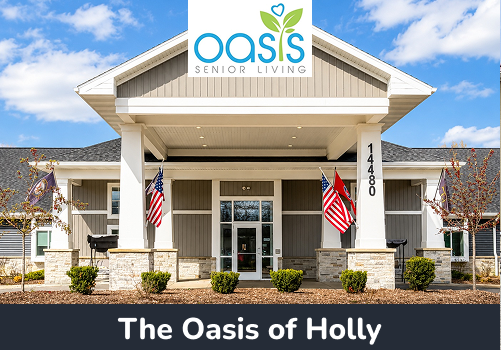
At The Oasis of Holly, proactive nutrition is integrated directly into daily care. Dining is designed as a highlight of senior living—combining chef-crafted meals, comforting flavors, and high-yield nutrition.
www.theoasisliving.com
Recognized for providing premier senior wellness programs in Oakland County and among the best senior dining programs in Metro Detroit, our culinary leadership emphasizes a true farm-to-table approach.
| Stage | Process | Care & Quality Focus |
| 1. Local Sourcing | Local Holly Farmers & Suppliers | Fresh, peak-season fruits and vegetables selected directly from Oakland County growers. |
| 2. Culinary Preparation | Scratch Kitchen at The Oasis of Holly | In-house chefs craft nutrient-dense meals tailored for digestion, flavor, and texture. |
| 3. Final Experience | Daily Gourmet Chef-Prepared Senior Dining | Delicious, fiber-rich dining that supports brain health, digestion, and daily vitality. |
How The Oasis of Holly Elevates Senior Nutrition
- Chef-Prepared, Farm-Fresh Menus: Our culinary team sources fresh, local Michigan produce during peak season, crafting balanced dishes that make fiber intake both delicious and effortless.
- Tailored Textures & Digestibility: From velvety summer berry coulis over breakfast parfaits to slow-roasted root vegetable medleys, our meals accommodate chewing sensitivities without sacrificing dietary fiber or natural flavor.
- Hydration-Paired Dining: Fiber requires proper hydration to work effectively. Our dining service pairs fiber-dense meals with infused waters, herbal teas, and house-made soups to ensure optimal digestive comfort.
- Continuum of Mindful Care: Whether residents reside in our vibrant assisted living suites or specialized memory care neighborhood, personalized nutritional plans support both physical vigor and cognitive wellness.
Nurturing Body & Mind in Holly, Michigan
Optimal senior living combines thoughtful healthcare, engaging community life, and wholesome dining. By shifting focus toward a fiber-rich, whole-food diet, families can help loved ones unlock clearer thinking, sustained energy, and improved digestive comfort.
If you are exploring senior living options in North Oakland County, we invite you to experience our vibrant community firsthand.
Experience Culinary Wellness at The Oasis of Holly > Schedule a personal tour and join us for a chef-prepared meal featuring seasonal local produce.
Address: 14480 N Holly Rd, Holly, MI 48442
Phone: (248) 983-5899
Website:TheOasisLiving.com

Neil Beltran 30 July 2026
Sources
Verywell Health. (n.d.). Fiber vs. protein. https://www.verywellhealth.com/fiber-vs-protein-11773171
Michigan Department of Health and Human Services. (n.d.). Senior Project Fresh program. State of Michigan.https://www.michigan.gov/mdhhs/adult-child-serv/adults-and-seniors/acls/special-programs/senior-project-freshmarket-fresh