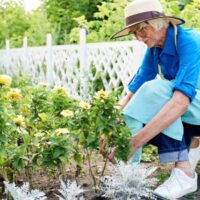


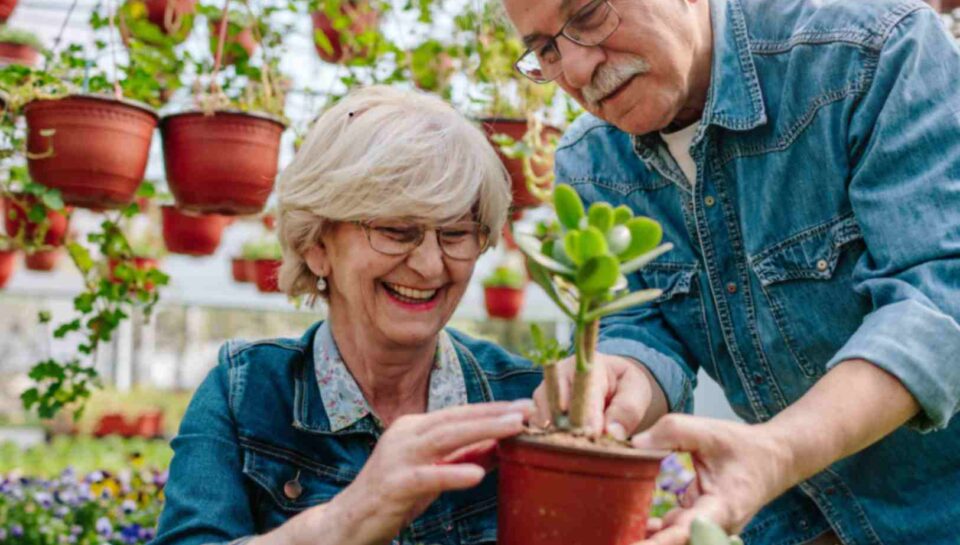
By the time late June arrives in Ingham County, Michigan, the landscape transforms into a vibrant green scenery perfect for senior gardening. For older adults and their families exploring best senior living options near Okemos, MI and throughout Greater Lansing, summer is more than just a change in season—it is an unprecedented therapeutic opportunity.
While gardening is traditionally viewed as a quiet backyard past-time, clinical research increasingly categorizes horticultural therapy for older adults as a potent, multi-modal physical and neurological intervention. Engaging directly with soil and living plant systems provides an ideal combination of strength conditioning, sensory engagement, and neurochemical recalibration.
1. The Kinetic Blueprint: Turning Gardening into Dynamic Functional Fitness
As body mechanics change with age, traditional high-impact cardiovascular exercises can place excessive strain on aging joints. Gardening serves as a highly effective form of low-impact physical conditioning, activating complex muscle groups without high joint loads.
| Gardening Activity | Physical & Biomechanical Benefit | Targeted Area / Focus |
| Soil Tending / Weeding | Fine Motor Precision | Grip & Hand Dexterity |
| Bending & Lifting | Multi-Planar Core Activation | Trunk Stability & Balance |
| Reaching & Pruning | Range of Motion Expansion | Shoulder Flexibility & Upper Body Stability |
Enhancing Fine Motor Skills and Hand Dexterity
The intricate micro-movements involved in gardening—such as pinching delicate seeds, pruning stems, and extracting stubborn weeds—serve as physical therapy for the hands. Research evaluating the biomechanical advantages of horticultural therapy in functional grip strength and motor control shows that targeted, repetitive hand work stimulates synovial fluid circulation in small finger joints. This action directly counteracts stiffness associated with osteoarthritis and maintains hand-eye coordination essential for daily independent tasks like dressing or cooking.
Low-Impact Core Exercises for the Elderly
Tending a flowerbed or vegetable plot requires continuous subtle balance shifts. Reaching across a planter, lifting a small watering can, or standing up from a kneeling posture engages the transverse abdominis, multifidus, and pelvic floor muscles.
Key Clinical Takeaway: These natural movement patterns function as essential low impact core exercises for elderly individuals. By strengthening postural muscles, gardening significantly improves trunk stability, reducing overall fall risk—one of the primary concerns for families evaluating senior care options.
2. Solar and Neurochemical Science: Sun, Sleep, and Serotonin
Beyond muscle activation, outdoor physical activity leverages natural sunlight to drive key physiological processes.
| Physiological Mechanism | Biological Trigger | Health Benefit for Seniors |
| Cutaneous Vitamin D3 Synthesis | Mid-morning UV-B exposure | Calcium absorption, bone density, immune regulation |
| Circadian Photo-Entrainment | Bright natural daylight (blue-spectrum) | Melatonin regulation, deeper REM sleep cycles |
| Cortisol Reduction | Outdoor sensory engagement | Reduced anxiety, lower blood pressure, improved mood |
Circadian Photo-Entrainment & Cutaneous Vitamin D3 Synthesis
In the Upper Midwest, winter conditions often leave older adults with depleted micronutrients and disrupted circadian rhythms. Michigan’s summer sun offers a natural remedy:
- Cutaneous Vitamin D3 Synthesis: Moderate, safe vitamin D sun exposure for elderly adults (10–15 minutes of mid-morning sun) triggers the skin to synthesize Vitamin $D_3$. This hormone precursor is vital for intestinal calcium absorption, preventing bone density loss (osteoporosis), and supporting immune modulation.
- Circadian Photo-Entrainment: Exposure to bright outdoor light early in the day stimulates retinal ganglion cells. This signals the brain’s suprachiasmatic nucleus to regulate the sleep-wake cycle, boosting daytime alertness and lowering nighttime restlessness.
The Impact of Outdoor Sensory Engagement on Senior Mood Elevation
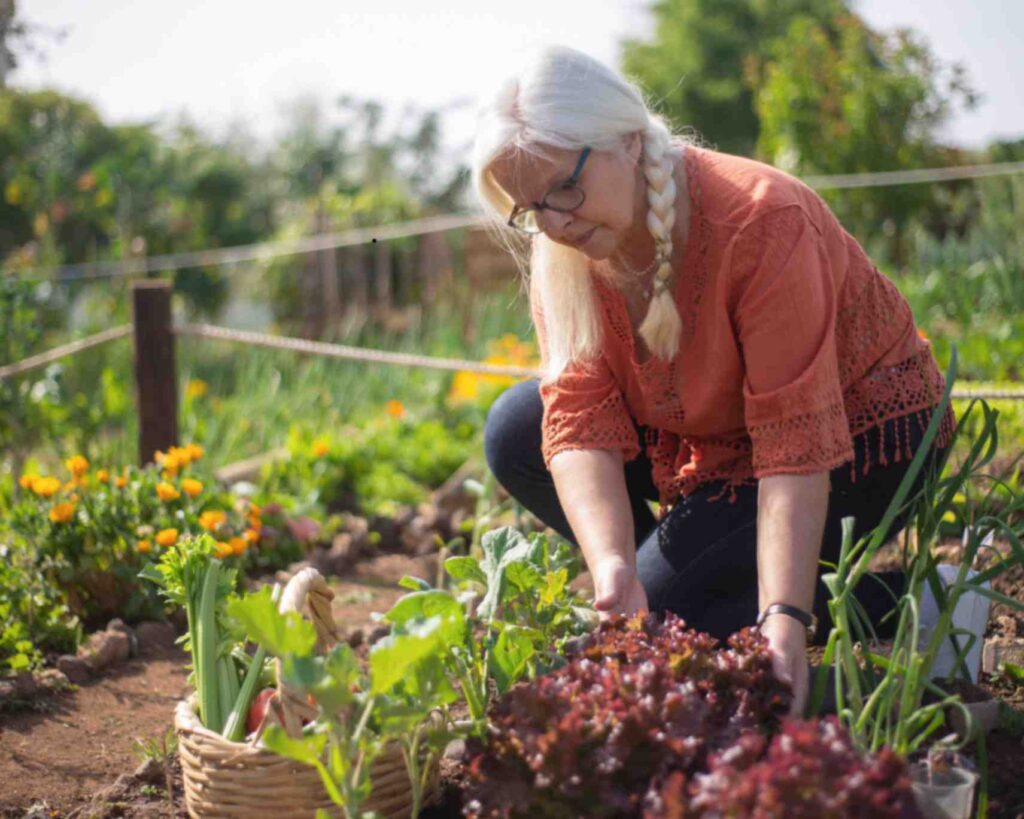
The psychological benefits of outdoor activity are backed by neurochemistry. Studies analyzing the impact of outdoor sensory engagement on salivary cortisol and senior mood elevation show that tactile exposure to natural environments significantly lowers cortisol—the body’s primary stress hormone.
For individuals experiencing cognitive decline, gardening for dementia and mood boosting offers unique advantages. Engaging with tactile, familiar elements like soil, water, and fragrant herbs bypasses complex cognitive pathways to stimulate long-term memory, reduce agitation, and foster a sense of purpose.
3. Therapeutic Design: How The Oasis of Holt Built a Purpose-Driven Environment
While the medical benefits of horticultural therapy are clear, accessing these activities safely requires thoughtful planning. Raised beds, non-slip pathways, and expert supervision are critical to transforming outdoor activity into a safe, therapeutic experience.
The Oasis of Holt Courtyard
Designed for accessibility, therapeutic engagement, and everyday peace of mind.
| ♿ Wheelchair-Accessible | 🌱 Ergonomic Raised Beds |
| Smooth Paved Trails Ensures safe, non-slip mobility and seamless movement for walkers and wheelchairs throughout the garden. | Eliminating Deep Bends Custom-height planters allow residents to garden comfortably from a sitting or standing position without joint strain. |
| 🛡️ Enclosed Safe Perimeter | 🩺 On-Site Therapy Team |
| Restorative & Secure A serene, fully enclosed setting designed for continuous safety, peace of mind, and quiet relaxation. | Guidance for Functional Motion Dedicated specialists guide physical and occupational wellness through structured outdoor activities. |
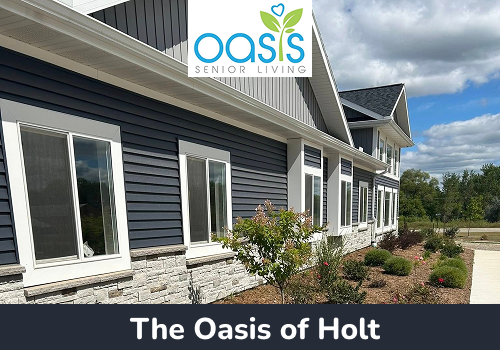
Located in the heart of Ingham County, The Oasis of Holt seamlessly integrates these evidence-based principles into daily life. Recognized among top memory care communities in Greater Lansing, the campus features outdoor spaces tailored specifically for senior safety and independence:
- Ergonomic Raised Garden Beds: Designed at custom heights, these planters allow residents to dig, weed, and sow without joint strain or fall risks.
- Accessible Outdoor Trails: Smooth, non-slip pathways throughout the courtyard encourage daily walking, balance practice, and comfortable exposure to sunlight.
- Integrated Rehabilitation: On-site occupational and physical therapy teams use outdoor activities to support personalized mobility goals.
- Dedicated Memory Care Courtyards: Secure, serene outdoor spaces allow residents living with Alzheimer’s or dementia to safely explore nature and participate in soothing, hands-on outdoor activities.
By integrating therapeutic garden spaces into Ingham County senior care environments, The Oasis of Holt bridges the gap between clinical wellness and daily fulfillment—empowering residents to build physical strength, elevate their mood, and enjoy a vibrant life.
Exploring Senior Living Options in Greater Lansing?
If you or a loved one are researching senior wellness activities in Ingham County or looking for an assisted living and memory care community that prioritizes active, holistic health, discover what makes The Oasis of Holt unique.
Contact our team today to schedule a personalized tour of our campus, courtyards, and therapy spaces.

Neil Beltran 12 August 2026