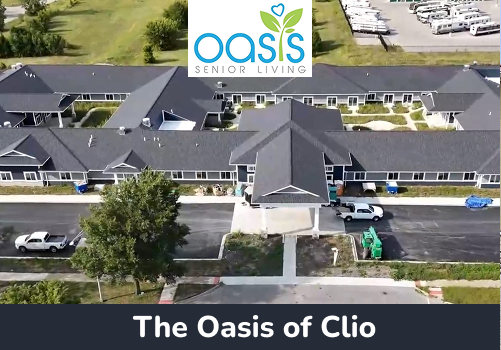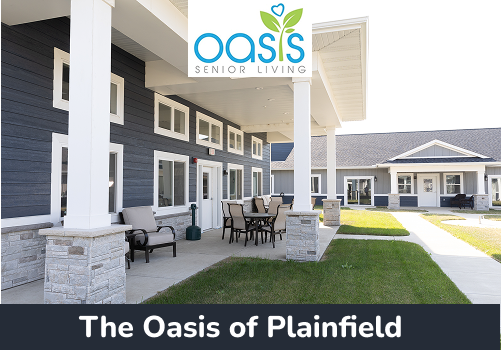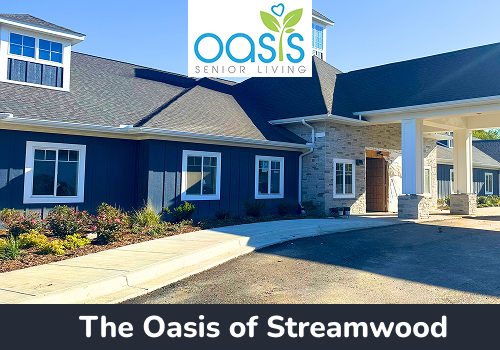



Navigating a senior living search often starts with an overwhelming mix of emotion and information overload from asking essential questions. Stepping into a facility, families are routinely greeted by high ceilings, decorative chandeliers, and polished promotional brochures. However, determining where a parent or spouse will feel safe, valued, and genuinely cared for requires looking past first impressions.
For families in Greater Lansing—whether in East Lansing, Mason, Okemos, or Delhi Township—evaluating senior care requires asking direct, investigative questions. Because the State of Michigan does not issue a standalone “Assisted Living” license, oversight and care models vary significantly across facilities.
To help local families make informed, confident decisions, this research guide outlines the essential questions to ask during a tour, complete with care benchmarks and local realities.
The Clinical Audit: 6 Essential Questions for Ingham County Families
1. What specific Michigan license does this community operate under?
The State of Michigan’s Department of Licensing and Regulatory Affairs (LARA) does not regulate facilities under the generic label “assisted living.” Instead, care settings typically operate under two primary license types: Adult Foster Care (AFC) or Homes for the Aged (HFA).
Michigan LARA Oversight
- Adult Foster Care (AFC)
- Smaller, boutique scale
- High caregiver-to-resident ratio
- Homes for the Aged (HFA)
- Larger institutional scale
- Designed for 21+ residents
- Standardized floor plans
Why it matters: The license type determines state inspection schedules, physical building requirements, and foundational staffing guidelines. Understanding a facility’s exact licensure is the first step inevaluating state licensing and health inspection standards in Michigan assisted living.
2. How are staffing levels determined—especially on night shifts?
A primary concern when touring a facility is asking how to evaluate assisted living staff ratio metrics. Many facilities cite high staff-to-resident ratios based on peak daytime hours when administrative personnel, culinary staff, and activity directors are present.
Facility Staffing Comparison
- Day Shift
- 👩⚕️ Caregivers
- 👨🍳 Culinary Staff
- 📋 Administrators
- 🎨 Activity Directors
- Night Shift
- 👩⚕️ Reduced Staff
- 🌙 Quiet Hours
⚠️ Crucial Audit Point: Always ask, “Who is on the floor at 3:00 AM?
Key Follow-Up Questions:
- What is the direct caregiver-to-resident ratio between 11:00 PM and 7:00 AM?
- Are direct-care workers located on the floor, or do they cover multiple buildings?
- How does the facility handle sudden acuity changes or emergency response times at night?
3. What is the total monthly cost, and how are care tier increases structured?
A common pitfall during long-term care planning is encountering unexpected rate changes. Standard brochures frequently highlight a base price that covers room and board, while essential personal care—such as medication management, bathing assistance, or mobility support—is added via a complex point system or tiered pricing model.
| Pricing Structure | What Is Included | Watch Out For |
| A La Carte / Point Systems | Base room rate only | Fast price escalations as daily assistance needs increase |
| Tiered Pricing | Base rate + grouped care levels | Frequent re-evaluations moving residents to higher tiers |
| All-Inclusive / Transparent Tiers | Room, board, meals & personal care | Unclear definitions of what triggers a top-tier shift |
Families should request a comprehensive breakdown to ensure complete financial transparency in long-term senior care contracts before making commitments.
4. How are customized care plans updated when health needs change?
Resident needs evolve over time. Families should inquire about the frequency of formal care plan reassessments and how the clinical staff adapts to changes in resident acuity.
Look for clear protocols on:
- Medication Administration: How prescription changes are communicated between primary physicians, local pharmacies, and floor staff.
- Mobility Changes: Provisions for physical therapy integration and fall-prevention measures.
- On-site Rehabilitation: How external physical therapists, occupational therapists, or hospice partners coordinate care within the facility.
5. How are meals and daily routines tailored to individual preferences?
Nutritional quality and social engagement are core drivers of daily health and wellness. During a visit, look past the sample menu and evaluate the culinary operation directly.
| Traditional Institutional Dining | Person-Centered Dining |
| • Fixed, set dining hours | • Flexible dining windows |
| • Single-option meal plans | • Fresh, tailored nutrition |
| • Mass commercial catering | • On-demand dietary needs |
When integrating person-centered care models in Greater Lansing senior living, meal planning should accommodate specific dietary restrictions, offer alternative menu options, and support independent dining routines.
6. What local medical networks and community resources are nearby?
In an emergency, proximity to medical care is critical. Families evaluating assisted living in Ingham County, MI should ask about emergency response workflows and proximity to major regional healthcare centers, such as Sparrow Hospital or McLaren Greater Lansing.
Additionally, top-tier communities leverage county-level resources like the Tri-County Electric Cooperative / Tri-County Office on Aging (TCOA), ensuring residents maintain connections to regional senior programs, local parks, and civic initiatives.
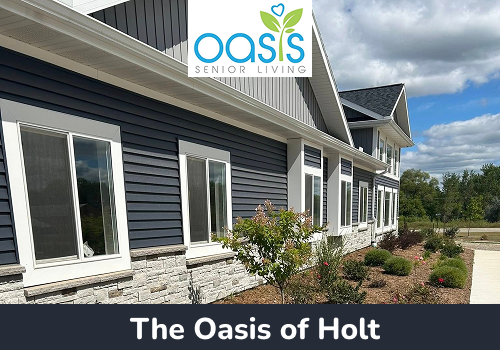
Local Spotlight: Evaluating “The Oasis of Holt”
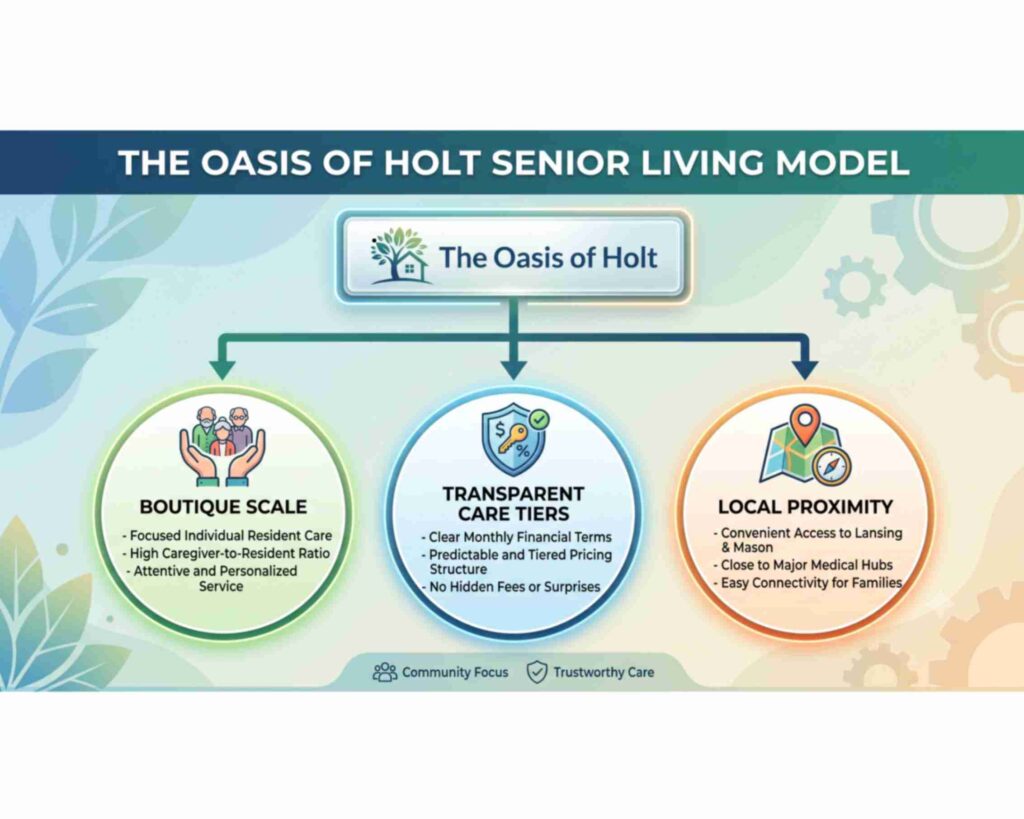
Located in Ingham Township, The Oasis of Holt offers an alternative to large, institutional senior living facilities. Situated conveniently between Lansing and Mason, this boutique setting directly addresses the standard evaluation criteria:
- Boutique Scale & Direct Oversight: Unlike large facilities housing hundreds of residents, a smaller footprint allows caregivers to maintain close visibility, ensuring consistent attention during both day and night shifts.
- Transparent Pricing: The community prioritizes predictable pricing models, reducing the financial surprises often associated with variable point systems.
- Person-Centered Design: Daily dining and lifestyle programs are tailored to the personal routines of each resident rather than structured around rigid institutional schedules.
Tour Checklist: Red Flags vs. Gold Standards
When touring options for assisted living in Holt, MI, use this quick reference checklist to evaluate operations:
| Category | 🚩 Red Flag | 🌟 Gold Standard |
| Staffing & Ratios | Unclear answers regarding night shift coverage; high turnover in leadership positions. | Clear ratios provided for every shift; long-tenured care team members. |
| Licensure & Compliance | Hesitation to share state inspection history or LARA registration details. | Transparent access to licensing documents and latest state audit results. |
| Billing & Contracts | Unclear fee schedules; hidden charges for basic medication reminders or mobility help. | Itemized care-tier structures and clear contract terms provided upfront. |
| Environment & Care | Unanswered call lights, pervasive odors, or limited staff interaction with residents. | Prompt responses to call systems, active resident participation, and attentive personal care. |
Making an Informed Decision for Your Family
Selecting the right senior care facility requires balancing clinical standards, financial clarity, and overall quality of life. By asking detailed questions about licensing, staffing ratios, care plan flexibility, and pricing structures, Ingham County families can cut through marketing promises and make choices that ensure long-term comfort, dignity, and peace of mind.
Local Resources for Ingham County Seniors
- Michigan Department of Licensing and Regulatory Affairs (LARA): Verify License and Inspection Reports
- Tri-County Office on Aging (TCOA): Ingham County Senior Services & Advocacy

Neil Beltran 7 August 2026