Could something as simple as sharing a meal, calling an old friend, or joining a community activity help support a healthier aging brain? Research suggests that meaningful social connections may play a more important role than many families realize.
There was a time when the kitchen table was the busiest place in the house. Children shared stories about school, neighbors stopped by for coffee, and family gatherings filled the rooms with laughter.
But as the years pass, those familiar moments may become less frequent.
Children move away, friends relocate, driving becomes more difficult, and retirement changes everyday routines. For many older adults, days gradually become quieter.
While a little solitude can be refreshing, prolonged social isolation may have consequences that extend beyond loneliness.
Research has linked meaningful social relationships to cognitive health, emotional well-being, and longevity. For older adults in Plainfield, Naperville, and the greater Chicago area, staying socially connected can be an important part of healthy aging.
Whether you're helping an aging parent maintain an independent lifestyle or exploring memory care in Chicago, IL, understanding the relationship between social connection and brain health can help you make more informed decisions.
The Science Behind Social Connections and Cognitive Decline
The brain doesn't stop needing stimulation when we retire.
Every meaningful conversation involves several cognitive processes, including attention, memory, language, emotional recognition, and decision-making.
Even something as ordinary as discussing a favorite television show or remembering a family vacation provides opportunities for mental engagement.
Research has associated social isolation and loneliness with a greater risk of cognitive decline and dementia. However, social engagement alone has not been proven to prevent dementia or guarantee slower cognitive decline.
The encouraging takeaway is that maintaining meaningful relationships is a practical part of a broader brain-healthy lifestyle.
4 Ways Social Connections Support Healthy Aging
1. Meaningful conversations keep the mind engaged
Imagine two longtime friends sitting together over coffee, recalling their favorite childhood memories.
One remembers a familiar name. The other adds a forgotten detail. Before long, they're laughing about something that happened decades ago.
These seemingly ordinary moments involve memory recall, communication, and attention.
Activities such as storytelling, reading groups, puzzles, and shared hobbies can provide enjoyable opportunities for cognitive engagement without making seniors feel as though they're completing a mental exercise.
2. Companionship supports emotional well-being
Loneliness can affect motivation, sleep, appetite, and emotional health.
For older adults who have experienced the loss of a spouse or changes in independence, meaningful companionship can help restore a sense of belonging.
Having someone to share a meal with, celebrate a birthday with, or simply talk to can make everyday life feel more rewarding.
Social connection may also encourage seniors to participate in activities they might otherwise avoid.
3. Social relationships are associated with physical and immune health
The relationship between social health and physical health is increasingly recognized in medical research.
Chronic loneliness and social isolation have been associated with stress-related biological changes, including changes in inflammatory and immune responses.
Supportive relationships may also encourage healthier habits, such as regular movement, balanced nutrition, and consistent healthcare appointments.
Although companionship cannot replace medical treatment or directly guarantee stronger immunity, it can contribute to an environment that supports overall wellness.
4. Staying connected may contribute to healthier, longer lives
Social connection is associated with better long-term health outcomes.
Older adults who maintain meaningful relationships may have more opportunities to stay physically active, seek assistance when needed, and maintain a sense of purpose.
Having something to look forward to—whether it's a weekly card game or a family visit—can bring structure and enjoyment to everyday life.
Healthy aging isn't simply about adding years to life. It's also about making those years meaningful.
What Research Reveals About Loneliness and Dementia Risk
Research spotlight · National Institute on Aging · January 2025
| Statistic | Research findings |
|---|---|
| 31% | Higher relative dementia risk associated with loneliness |
| 600,000+ | Participants included in the research analysis |
| 14% | Higher relative risk of Alzheimer's disease |
| 17% | Higher relative risk of vascular dementia |
Note: These findings reflect statistical associations and relative risk, not absolute risk or proof that loneliness directly causes dementia.
Source: NIH-funded research involving 21 longitudinal cohorts, published in Nature Mental Health. These findings show associations, not proof of causation.
A large-scale analysis highlighted by the National Institute on Aging found significant associations between loneliness and dementia risk.
National Institute on Aging
These findings reinforce why social well-being deserves attention alongside nutrition, physical activity, sleep, and regular medical care.
Similarly, Mayo Clinic's guidance on improving memory encourages older adults to maintain social relationships as a way to help manage depression and stress, which can contribute to memory difficulties.
Simple Ways Plainfield Seniors Can Stay Socially Connected
Building stronger social connections doesn't require a busy calendar or an expensive lifestyle. Small, consistent interactions can make a meaningful difference.
| Social activity | Potential benefits |
|---|---|
| Sharing meals with friends | Companionship and emotional well-being |
| Playing cards or board games | Attention, memory recall, and engagement |
| Joining gentle group exercises | Physical mobility and social interaction |
| Participating in arts and crafts | Creativity and a sense of accomplishment |
| Singing familiar songs | Emotional expression and cognitive engagement |
| Regular family visits | Comfort, belonging, and reassurance |
| Volunteering or helping others | Purpose and community involvement |
For seniors living in Plainfield and surrounding Illinois communities, these activities can be adapted to individual interests, mobility levels, and cognitive abilities.
The goal isn't to keep someone constantly occupied. It's to give them meaningful reasons to look forward to each day.
Why Social Engagement Matters in Memory Care
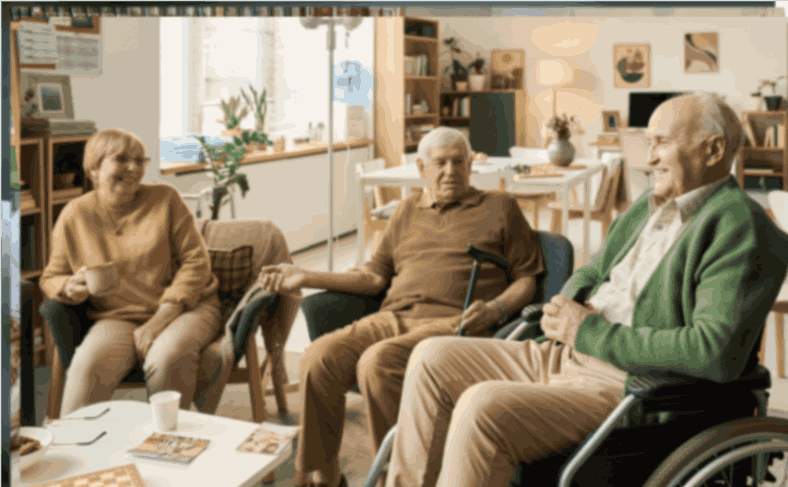
For families exploring memory care near Chicago, IL, social engagement should be an important part of the conversation.
Older adults living with Alzheimer's disease or other forms of dementia may experience difficulties with communication, memory, and social confidence.
Some may gradually withdraw from conversations because they struggle to find the right words or worry about repeating themselves.
A supportive environment should encourage participation without creating unnecessary pressure.
For example, instead of asking someone with dementia to remember the names of people in an old photograph, a caregiver or family member might invite them to enjoy the picture and share whatever comes naturally.
Familiar music, simple activities, and comfortable conversations can offer opportunities for connection even as cognitive abilities change.
The purpose of social engagement in memory care isn't to test someone's memory. It's to help them experience comfort, dignity, and belonging.
When Living Alone Starts to Feel Too Lonely
For many families, recognizing social isolation can be difficult.
A parent may insist they're doing fine, even when their daily routine has become increasingly limited.
Changes worth paying attention to include withdrawing from favorite hobbies, having fewer conversations, losing interest in social gatherings, experiencing persistent low mood, or struggling to maintain everyday routines.
These changes don't automatically indicate dementia. However, persistent changes in memory, behavior, or mood deserve attention from a healthcare professional.
For some families, exploring a senior living community can be an opportunity to address changing care needs while creating more opportunities for meaningful companionship.
Supporting Social Wellness at The Oasis of Plainfield
Healthy aging is about more than receiving assistance with everyday tasks.
It's also about having opportunities to develop friendships, express personal interests, maintain familiar routines, and feel part of a community.
At The Oasis of Plainfield, families can explore three senior living options:
Independent living: For older adults seeking a more community-oriented lifestyle while maintaining independence.
Assisted living: For seniors who need additional support with everyday activities.
Memory care: For individuals requiring specialized support related to cognitive impairment and dementia.
For families in Plainfield, Naperville, Joliet, and the greater Chicago area, choosing a senior living community involves considering both physical care and emotional well-being.
During a community tour, ask about current social activities, wellness opportunities, individualized care, and how residents with different cognitive abilities are encouraged to participate.
Finding the right environment can begin with understanding what makes your loved one feel most comfortable, connected, and valued.
Discover a More Connected Life at The Oasis of Plainfield
More Than Care. A Community Where Life Has Meaning.
Growing older should never mean growing apart. Every senior deserves opportunities to experience friendship, meaningful activities, compassionate support, and a genuine sense of belonging.
Whether you're exploring independent living, assisted living, or memory care near Chicago, Illinois, The Oasis of Plainfield invites your family to discover a new chapter in senior living.
Take the next step. Meet the team, explore the community, and discover care options that respect your loved one's individuality and changing needs.
Explore The Oasis of Plainfield & Request a Personal Tour
Discover senior living options in Plainfield, Illinois.
Because sometimes, one of the most powerful ways to care for an aging loved one is to make sure they never lose their opportunities to connect with others.