
Imagine sitting down to lunch and seeing a plate filled with bright red strawberries, leafy green spinach, golden sweet potatoes, and deep-blue blueberries.
It looks beautiful. But those vibrant colors may offer something even more valuable than visual appeal.
They represent a variety of nutrients and naturally occurring plant compounds that help support overall health as we age.
For older adults in Plainfield, Naperville, and surrounding Illinois communities, making small changes to everyday meals can be a practical way to support healthy aging.
Research suggests that dietary patterns rich in vegetables, fruits, whole grains, and other nutrient-dense foods are associated with better long-term health. Certain eating patterns, including the Mediterranean and MIND diets, are also being studied for their potential relationships with cognitive health.
Whether you're planning healthier meals for an aging parent or researching assisted living in Naperville IL, understanding the connection between nutrition and brain health can help you make more informed decisions.
And one of the simplest places to begin is with the colors on your plate.
Why Colorful Foods Matter for the Aging Brain
As we age, maintaining brain health becomes increasingly important.
The brain depends on a steady supply of nutrients to support normal cellular function, communication between nerve cells, and overall health.
Colorful fruits and vegetables contain vitamins, minerals, fiber, and plant compounds, including carotenoids and polyphenols.
Some of these compounds have antioxidant properties, which researchers are studying for their potential roles in protecting cells from oxidative stress.
However, eating colorful foods does not guarantee prevention of Alzheimer's disease, dementia, or other cognitive conditions.
The strongest nutritional approach is to focus on a varied, balanced eating pattern rather than relying on any single food as a brain-health solution.
Five Food Colors Worth Adding to Your Plate
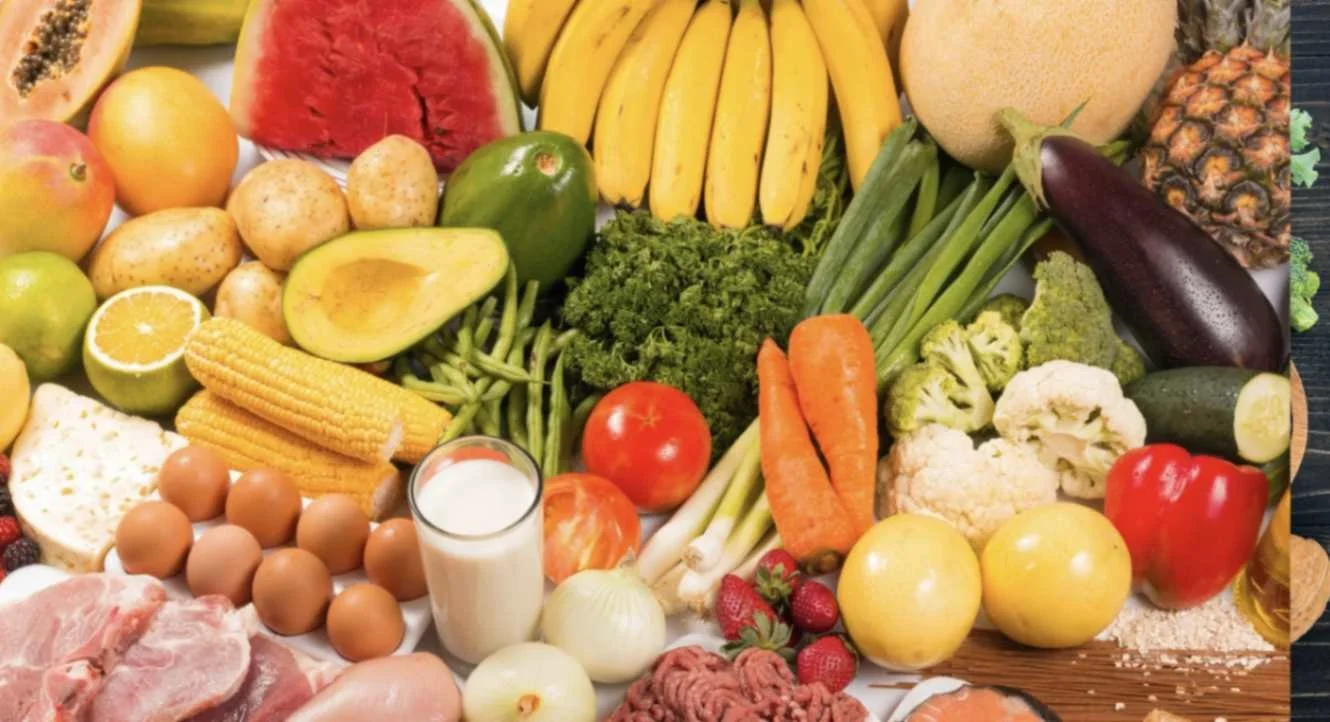
1. Red Foods — Nutrients and Antioxidants
Strawberries, tomatoes, raspberries, and red bell peppers provide different combinations of vitamin C, carotenoids, and polyphenols.
Tomatoes contain lycopene, while berries provide other naturally occurring plant compounds.
Easy idea: Add sliced strawberries to breakfast or tomatoes to a lunchtime salad.
2. Blue and Purple Foods — Polyphenol-Rich Choices
Blueberries, blackberries, purple grapes, and purple cabbage contain pigments called anthocyanins.
These compounds are being studied for possible relationships with cognitive function and healthy aging, although clinical evidence remains developing.
Easy idea: Add blueberries to oatmeal or plain yogurt.
3. Green Foods — Folate and Essential Nutrients
Spinach, kale, broccoli, and other leafy vegetables provide nutrients such as folate, vitamin K, and fiber.
Leafy greens are emphasized in the MIND dietary pattern, which researchers have investigated in relation to cognitive aging.
Easy idea: Add a small serving of cooked spinach or broccoli to lunch or dinner.
4. Orange and Yellow Foods — Carotenoids and Energy-Supporting Nutrition
Carrots, sweet potatoes, pumpkin, and yellow peppers provide various nutrients, including carotenoids.
Orange vegetables such as carrots and sweet potatoes are especially rich in beta-carotene, which the body can convert into vitamin A.
Easy idea: Serve roasted sweet potatoes alongside a balanced dinner.
5. White and Neutral Foods — Variety Still Matters
Cauliflower, mushrooms, onions, garlic, and white beans can also contribute valuable nutrients.
White beans, for example, provide fiber and plant-based protein, while mushrooms offer nutrients that vary by type and preparation.
Easy idea: Add beans to vegetable soup for a filling, nutrient-rich meal.
What Research Says About Diet and Cognitive Health
One of the most studied approaches to nutrition and brain health is the MIND diet, which combines elements of Mediterranean and DASH dietary patterns.
It emphasizes foods such as leafy greens, other vegetables, berries, whole grains, beans, nuts, and fish, while limiting certain foods high in saturated fat.
The National Institute on Aging reports that some observational research has linked healthier dietary patterns with better cognitive outcomes. However, intervention trials have produced mixed findings, and more research is needed to establish whether particular diets prevent cognitive decline.
For older adults, the practical takeaway is straightforward:
Eating a variety of nutritious foods is a sensible part of healthy aging, even though no specific diet can guarantee protection against dementia.
A Simple Colorful Meal Plan for Illinois Seniors
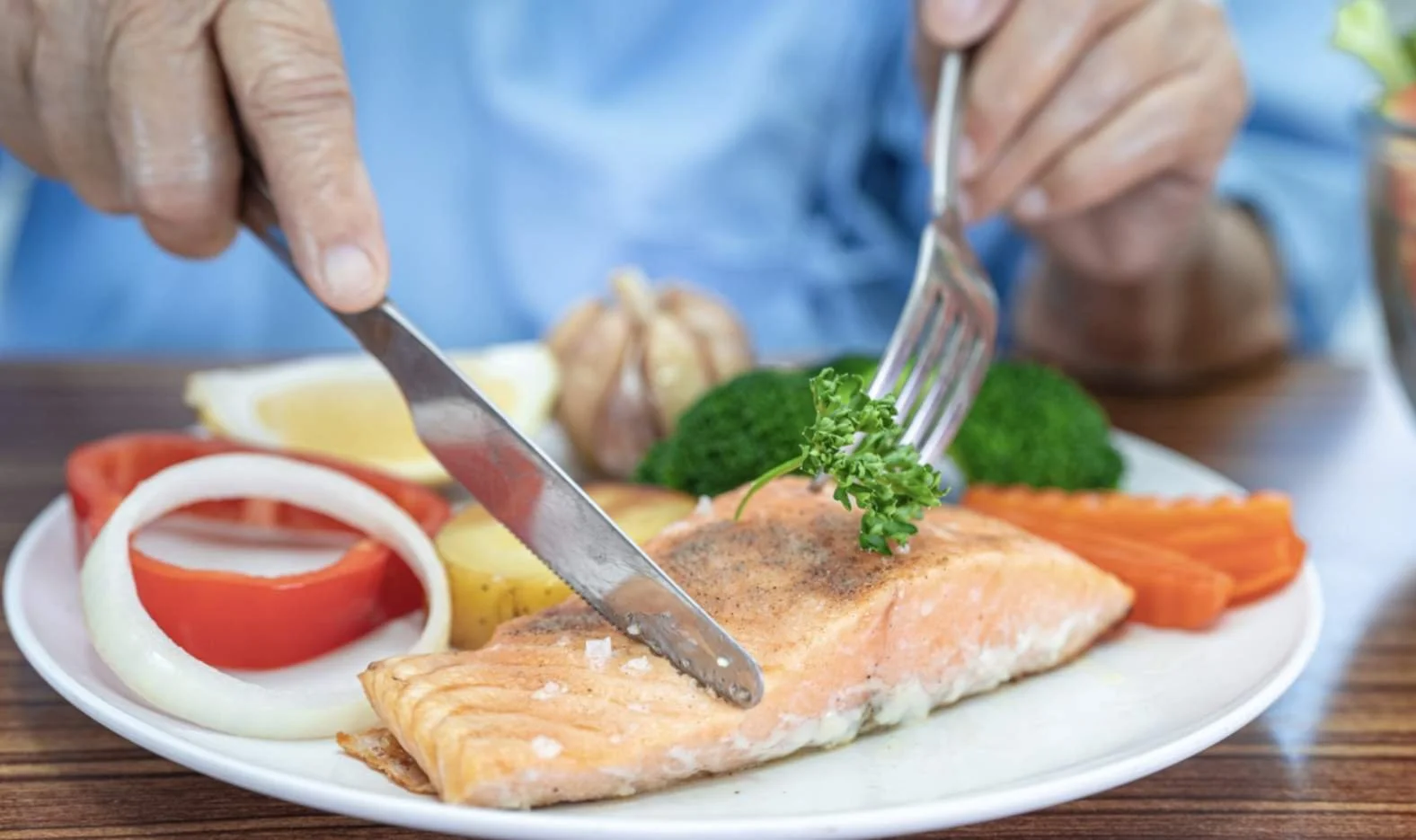
You don't need expensive ingredients or complicated recipes to make everyday meals more colorful.
One-Day Colorful Plate Inspiration
Breakfast
Oatmeal topped with blueberries, strawberries, and chopped walnuts.
Lunch
Spinach salad with tomatoes, colorful bell peppers, beans, and a protein source.
Dinner
Baked salmon, roasted sweet potatoes, and steamed broccoli.
Snack
Apple slices with a small serving of nut butter, if appropriate.
Illustrative meal ideas, not a personalized nutrition plan. Dietary restrictions, food allergies, swallowing difficulties, diabetes, kidney disease, and medication interactions may require modifications.
Healthy Nutrition and Senior Living Near Naperville, IL
For families caring for aging parents, maintaining a balanced diet can become more challenging when grocery shopping, cooking, or meal planning feels overwhelming.
Changes in appetite, dental health, medication use, mobility, and memory can also affect nutritional needs.
When researching assisted living in Naperville IL, families may want to compare nearby senior living communities in Plainfield as well.
At The Oasis of Plainfield, families can explore independent living, assisted living, and memory care options.
During a community tour, ask about meal choices, dining assistance, accommodation of dietary restrictions, and how individual nutritional needs are addressed.
A supportive dining environment can make nutritious meals easier to enjoy while also providing opportunities for companionship.
Frequently Asked Questions
What foods are best for brain health in older adults?
A balanced eating pattern that includes vegetables, berries, whole grains, legumes, nuts, and appropriate protein sources is a reasonable approach. No single food has been proven to prevent dementia.
Can eating more antioxidants prevent Alzheimer's disease?
Antioxidant-rich foods can contribute to a nutritious diet, but evidence does not establish that eating antioxidants prevents Alzheimer's disease.
Are frozen fruits and vegetables healthy for seniors?
Yes. Frozen produce can be a nutritious, convenient, and often affordable alternative to fresh produce. Choose options without unnecessary added sugar, salt, or sauces.
How can families encourage healthier eating for aging parents?
Start with small changes, offer familiar foods in different colors, consider individual preferences, and seek professional nutrition advice when medical conditions or eating difficulties are present.
Healthy Choices. Meaningful Moments. A Place to Belong.
Good nutrition is just one part of enjoying life as we age. Connection, comfort, independence, and appropriate support matter too.
At The Oasis of Plainfield, explore senior living options for your loved one's changing needs.
Discover the community, meet the team, and ask how dining, wellness, and personalized care fit into everyday life.
Explore The Oasis of Plainfield & Schedule a Tour Ask about dining options, independent living, assisted living, memory care, pricing, and availability.
Because healthy aging isn't about finding one miracle food. It's about making small, nourishing choices that support a fuller life.