
Finding Memory Care in Michigan and Illinois for Your Parent

It often starts with something small.
Mom forgets where she placed her keys. Dad repeats the same question several times during dinner. A familiar route home suddenly becomes confusing.
At first, you may dismiss these moments as ordinary signs of aging. But when memory problems begin affecting your parent's safety, daily routines, or independence, the concern becomes harder to ignore.
You may find yourself searching for memory care facilities near me, wondering how to protect your loved one while preserving their dignity and quality of life.
For families in Michigan and Illinois, choosing memory care is about much more than finding a place to live. It's about finding compassionate caregivers, a secure environment, and meaningful daily support for someone you love.
This guide will help you understand memory care, compare your options, and make a more confident decision for your family.
What Is Memory Care, and How Is It Different From Assisted Living?
Memory care is a specialized form of senior living designed for individuals experiencing Alzheimer's disease, dementia, or other conditions that affect memory and thinking.
While traditional assisted living focuses on helping seniors with everyday activities, memory care provides additional support tailored to cognitive challenges.
Depending on the community, memory care services may include:
Structured daily routines to reduce confusion and anxiety.
Staff trained in dementia care and supportive communication.
Secure environments designed to reduce wandering-related risks.
Assistance with bathing, dressing, grooming, and meals.
Medication assistance or management within the community's scope of care.
Activities adapted to residents' cognitive abilities.
Supervision and emergency assistance throughout the day and night.
The goal isn't simply to manage symptoms. It's to support comfort, dignity, engagement, and the best possible quality of life.
When Should You Consider Memory Care for Your Aging Parent?

One of the most difficult questions families face is knowing when additional support becomes necessary.
Every person living with dementia experiences changes differently. Some individuals remain relatively independent for years, while others develop more significant safety and care needs.
Here are several signs that it may be time to explore memory care.
1. Increased confusion or disorientation
Your parent may forget familiar places, become confused about time, or have difficulty following daily routines.
2. Wandering or getting lost
If your loved one leaves home unexpectedly or becomes lost in familiar surroundings, a more secure living environment may be important.
3. Difficulty managing personal care
Bathing, dressing, eating, and maintaining hygiene may become increasingly challenging without assistance.
4. Changes in behavior or sleep patterns
Some individuals living with dementia experience restlessness, agitation, changes in sleeping patterns, or increased confusion later in the day.
5. Growing caregiver exhaustion
Providing dementia care can require significant emotional and physical effort, particularly as supervision needs increase.
Recognizing the need for memory care isn't giving up on your parent. It's recognizing that their needs have changed and finding the right support.
A healthcare professional can help evaluate new or worsening symptoms and determine which level of care may be appropriate.
Memory Care Facilities in Clarkston MI: Finding Support Close to Home
For families searching for memory care facilities in Clarkston MI, proximity to loved ones can be an important part of choosing a community.
Having your parent close to home may make it easier to visit regularly, attend care meetings, celebrate milestones, and stay involved in their daily life.
But location is only one part of the decision.
When evaluating a memory care community in Clarkston, consider:
Whether staff have specialized dementia-care training.
How the community manages wandering and other safety concerns.
Whether residents receive individualized care plans.
How caregivers communicate with families.
What daily activities and engagement opportunities are available.
How the community responds when a resident's needs change.
Families exploring Oasis Senior Living can inquire about the care services, accommodations, and memory care availability at its Clarkston location.
A personal tour can help you better understand the environment and determine whether it aligns with your parent's needs.
Affordable Memory Care Facilities in Michigan: Understanding Your Options
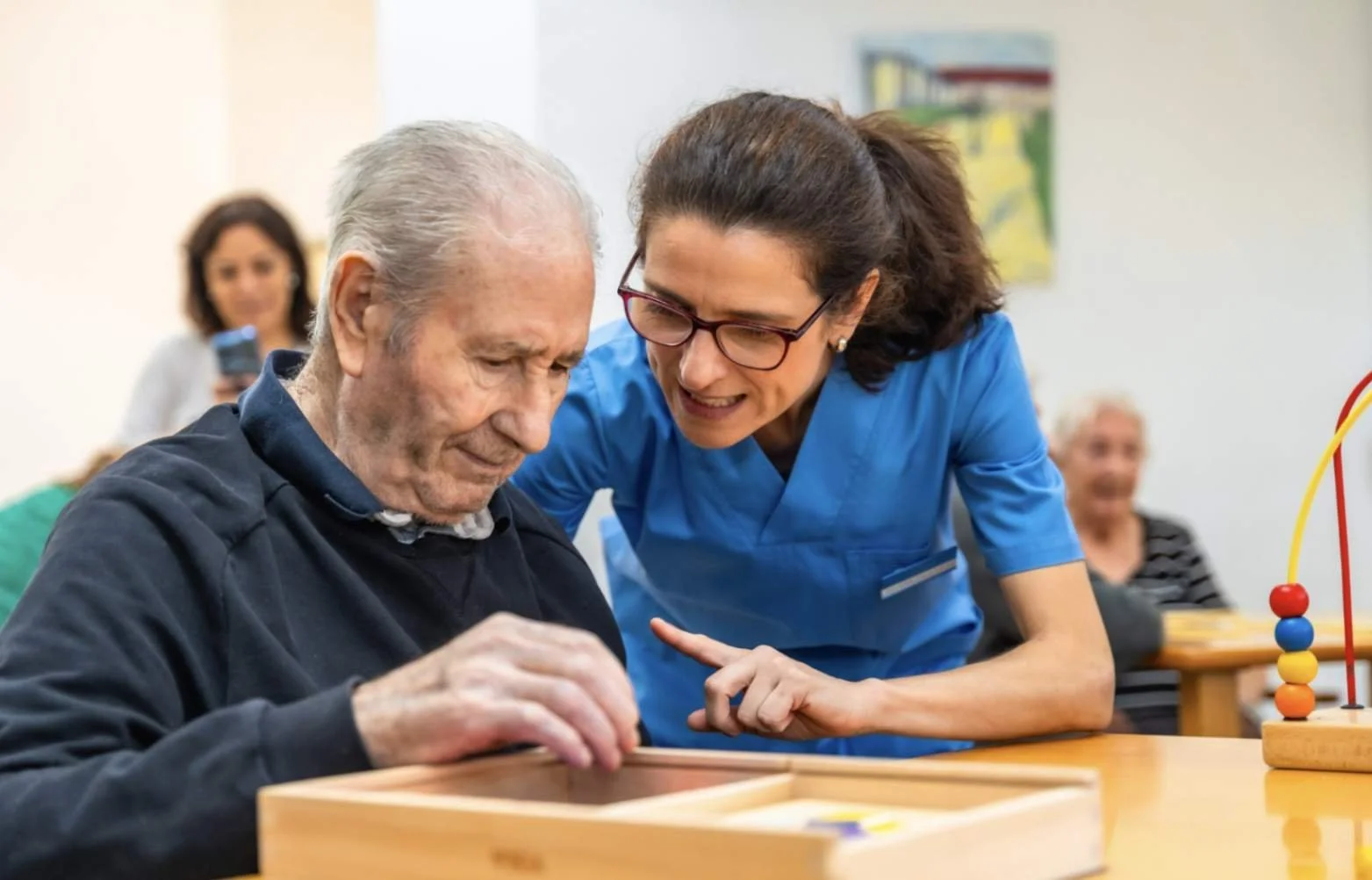
Finding affordable memory care facilities in Michigan can feel overwhelming, especially when you're trying to balance quality care with long-term financial planning.
Memory care typically involves specialized staffing, supervision, and support, which can make it more expensive than standard assisted living.
However, prices vary considerably among communities.
When comparing costs, ask what is included in the monthly rate.
Service What to ask
Housing and meals Are meals, utilities, and housekeeping included?
Personal assistance Is help with bathing and dressing included?
Memory care programming Are dementia-specific activities included?
Medication services Are additional fees charged?
Supervision What overnight staffing is provided?
Additional care needs How are increased care requirements priced?
The most affordable option isn't necessarily the community with the lowest advertised price.
A community that provides appropriate services with clear, predictable pricing may offer better overall value than one with numerous additional charges.
Memory Care Cost in Michigan: What Families Need to Know
If you're researching memory care cost in Michigan, it's important to understand the factors that influence monthly expenses.
These commonly include:
Geographic location.
Private versus shared accommodations.
The level of personal assistance required.
Staffing and supervision needs.
Specialized programs and amenities.
Additional medical or support services.
Because costs change and individual care needs differ, request current written pricing directly from each community.
Memory Care Facilities in Illinois: Choosing the Right Environment
When comparing memory care facilities in Illinois, families should look beyond attractive accommodations and marketing materials.
A well-designed memory care environment should consider the unique needs of residents experiencing cognitive decline.
Features worth evaluating include clear signage, safe walking areas, accessible common spaces, and appropriate security measures.
Equally important is the way caregivers interact with residents.
During a community tour, observe whether staff communicate calmly, respectfully, and patiently.
Ask about individualized activities, family involvement, overnight supervision, and procedures for responding to changes in a resident's condition.
Also verify the facility's licensing and whether its services match your loved one's needs.
A community should be able to explain clearly what care it can provide and when a resident may require a higher level of support.
Alzheimer's Care Facilities Near Me: What Makes Specialized Care Important?

Families searching for Alzheimer's care facilities near me are often looking for a community that understands the challenges of progressive memory loss.
Alzheimer's disease is the most common cause of dementia, but dementia can also result from other conditions.
Although their symptoms and progression may differ, people living with these conditions can benefit from individualized support.
A specialized memory care approach may emphasize:
Familiar daily routines: Consistent schedules can help reduce uncertainty and make everyday activities easier to follow.
Meaningful engagement: Music, art, movement, reminiscence, and other adapted activities may encourage participation and connection.
Supportive communication: Trained caregivers can use clear language, patience, and reassurance when residents experience confusion.
Personalized assistance: Care should reflect each resident's abilities, preferences, medical needs, and personal history.
A dementia diagnosis does not erase a person's identity.
Your parent is still the person who raised you, shared family traditions, and created memories with the people they love.
Compassionate memory care should recognize that individuality.
Dementia Care Facilities With 24 Hour Supervision: Why Safety Matters
For some families, one of the greatest concerns is what happens when their parent needs help at night.
Searching for dementia care facilities with 24 hour supervision often reflects a need for greater reassurance and protection.
Individuals living with dementia may experience nighttime confusion, wandering, sleep disturbances, or difficulty recognizing potential hazards.
Communities offering round-the-clock supervision may provide access to staff who can respond to residents' needs throughout the day and night.
However, families should understand that 24-hour supervision is not the same as continuous one-on-one care or 24-hour skilled nursing.
Before choosing a community, ask:
How many staff members are available overnight?
How are residents monitored while respecting their privacy?
What procedures are followed if a resident wanders?
How quickly can staff respond to emergencies?
What happens if a resident develops more complex medical needs?
These conversations can help you determine whether the community's staffing and safety procedures are appropriate for your loved one.
How to Choose the Best Memory Care Community for Your Parent
Choosing memory care can be emotional, especially when your parent has always been independent.
You may feel uncertain about the timing, worried about the transition, or concerned about whether your loved one will adjust.
These feelings are understandable.
A thoughtful decision-making process can help.
Start by identifying your parent's current needs, including cognitive symptoms, mobility, medical conditions, and personal preferences.
Next, compare communities that provide the appropriate level of care.
Whenever possible, tour each community and speak with staff about their experience supporting residents with dementia.
Consider bringing a family member or trusted friend who can help ask questions and remember important details.
Most importantly, look for a community where your parent will be treated as an individual rather than simply a resident requiring assistance.
Explore Memory Care Options With Oasis Senior Living

At Oasis Senior Living, families can begin exploring senior living options with their loved one's comfort, safety, and quality of life in mind.
Whether you're considering memory care in Clarkston, Michigan, or comparing communities across Michigan and Illinois, understanding your parent's needs is the first step toward finding an appropriate living arrangement.
The right environment can provide structure, companionship, personal assistance, and opportunities for meaningful engagement.
For families facing the uncertainty of Alzheimer's disease or another form of dementia, having a knowledgeable care team and a supportive community can make an important difference.
Visit the Oasis Senior Living website to explore its communities and inquire about available memory care services.
Your Loved One Deserves Compassionate Memory Care. Take the Next Step Today.
You can't stop every change that comes with Alzheimer's disease or dementia. But you can take meaningful steps to help your loved one feel safe, supported, and respected.
Finding the right memory care community means choosing an environment where your parent can receive appropriate assistance while continuing to experience connection, comfort, and dignity.
You don't have to make this important decision alone.
Whether you're searching for memory care facilities near you, exploring affordable memory care in Michigan, or looking for specialized dementia support in Illinois, Oasis Senior Living can help you begin exploring your options.
Ready to find a supportive community for someone you love?
Visit www.theoasisliving.com to explore Oasis Senior Living communities, ask about memory care availability, and inquire about scheduling a personalized tour.
Because even when memories change, every person deserves to be treated with compassion, dignity, and care.