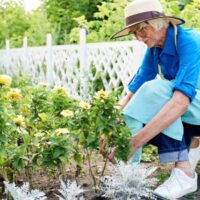


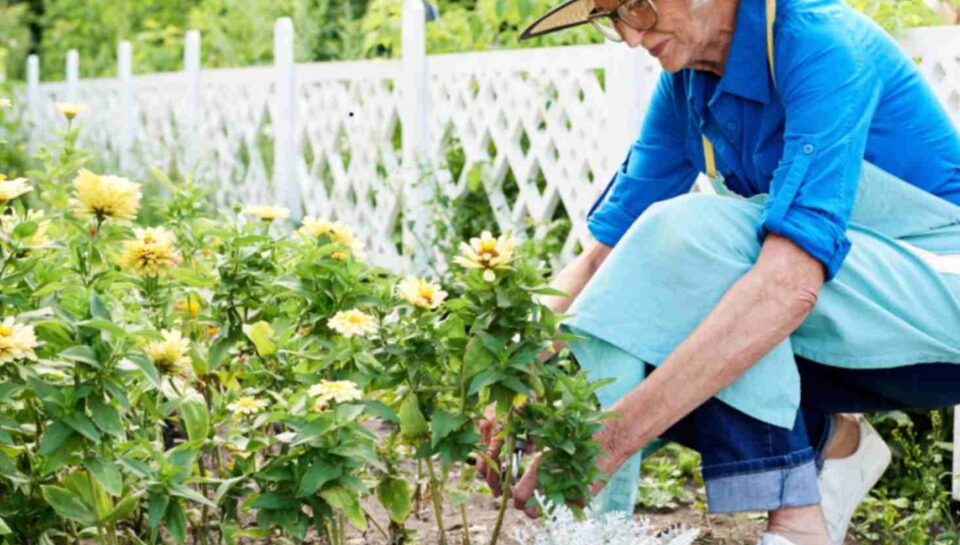
For decades, gardening for Plainfield seniors was viewed merely as a gentle pastime: potting geraniums, weeding tomato beds, or pruning shrubs. However, modern geriatric rehabilitation and occupational therapy research view it differently: horticultural therapy is a structured, whole-body functional movement modality.
For older adults across Will County and the greater Chicago area, engaging with soil, plants, and sunlight provides targeted physiological stimulation that traditional gym routines struggle to match. When paired with ergonomic design, such as elevated beds, gardening offers low-impact core conditioning, fine-motor rehabilitation, circadian regulation, and vital cutaneous vitamin D synthesis.
The Biomechanics of Elevated Planting: Protecting the Aging Spine
Traditional ground-level gardening carries significant biomechanical risks for older adults. Repetitive hyperflexion of the lumbar spine paired with prolonged kneeling increases intra-discal pressure and accelerates knee joint compression, particularly in individuals with osteoarthritis or lumbar stenosis.
Raised garden beds—specifically those elevated 24 to 36 inches off the ground—shift the biomechanical paradigm.
+-------------------------------------------------------------------------+
|                  BIOMECHANICAL IMPACT: GROUND VS. RAISED                |
|                                                                         |
|  Ground Gardening:                                                      |
|  [ Lumbar Spine Hyperflexion ] ──> High Disc Compression & Joint Strain |
|                                                                         |
|  Raised Bed (24"-36"):                                                  |
|  [ Neutral Spine Alignment ]   ──> Core Muscle Activation & Joint Relief|
+-------------------------------------------------------------------------+
- Spinal Decompression: Elevated planting beds keep the spine in a neutral, biomechanically supported position, avoiding acute shear stress on the L4–S1 vertebrae.
- Low-Impact Core Activation: Tending an elevated planter requires subtle, sustained engagement of the transverse abdominis, rectus abdominis, and multifidus muscles to maintain balance while reaching and turning.
- Shoulder Flexion and Upper-Body Mobility: Lifting small watering cans, raking soil, and handling lightweight trowels activates the anterior deltoids and upper back without placing excessive load on rotator cuff tendons.
Ergonomic Dexterity & Neuromuscular Coordination
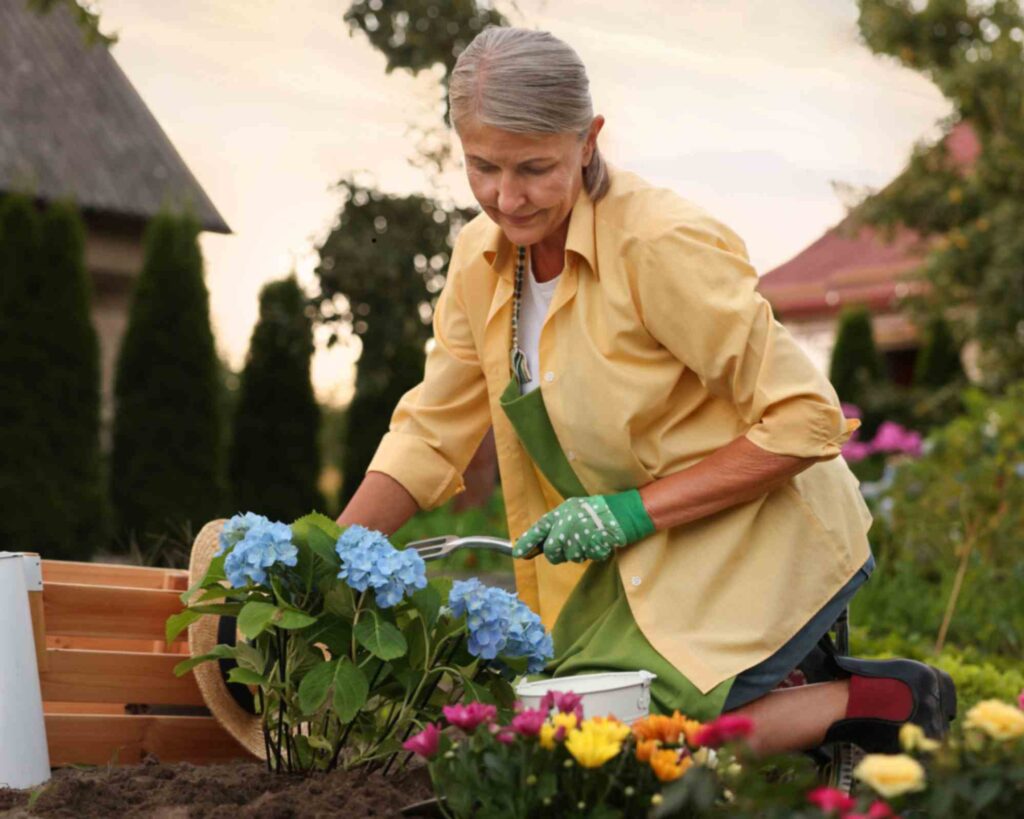
Fine motor function often declines with age due to arthritic stiffness, peripheral neuropathy, or reduced sensory feedback. Horticultural therapy provides continuous neuromuscular facilitation through task-specific hand movements:
- Pinching & Grasping: Transferring seedlings, separating tiny seeds, and pruning stems engage the intrinsic muscles of the hand (thenar and hypothenar groups).
- Bilateral Coordination: Stabilizing a plant with one hand while trimming or watering with the other trains dual-hemisphere motor processing.
- Sensory Grounding: The tactile friction of soil, leaves, and water stimulates mechanoreceptors in the fingertips, reinforcing proprioception and neural pathway maintenance.
The Sunlight Connection: Vitamin D3 & Circadian Health
Mid-morning outdoor activity provides direct systemic health benefits via natural solar radiation.
| Physiological Marker | Mechanism of Action | Health Outcome |
| Cutaneous Vitamin D3 Synthesis | Solar UVB photons convert 7-dehydrocholesterol in the skin into pre-vitamin D3. | Improves calcium absorption, preserves bone mineral density, and supports neuromuscular coordination. |
| Circadian Photo-Entrainment | Natural morning light strikes retinal ganglion cells, suppressing melatonin and synchronizing cortisol. | Stabilizes sleep-wake architecture, enhances nighttime restorative sleep, and reduces sundowning symptoms. |
| Neurochemical Modulation | Tactile nature interaction stimulates transient increases in dopamine and serotonin. | Lowers perceived chronic pain thresholds and reduces symptoms of anxiety and depression. |
Safety Note: In Northern Illinois, 15 to 20 minutes of mid-morning sun exposure (between 9:00 AM and 11:00 AM) provides optimal photic stimulation while minimizing UV tissue damage.
Built-In Outdoor Wellness at The Oasis of Plainfield
Scientific research proves that functional movement and natural light improve vitality, but safety, access, and environment determine whether seniors can truly benefit.
The Oasis of Plainfield integrates these functional wellness principles into daily life. Located near historic downtown Plainfield, the community bridges research-backed physical enrichment with secure, accessible amenities:
- Secure Center Courtyards & Walking Paths: Continuous, level outdoor pathways eliminate trip hazards, allowing residents in Independent Living, Assisted Living, and Memory Care to move outdoors with confidence.
- Adaptive Gardening Programming: Elevated planters allow residents to plant, tend, and harvest without dangerous bending or joint stress.
- Holistic Life Enrichment: Gardening activities are integrated with on-site wellness and therapy teams, reinforcing strength, mobility, and fine motor skills learned during rehabilitation sessions.
For families seeking a senior living environment in Will County, accessible therapeutic spaces offer more than fresh air—they provide a daily prescription for strength, independence, and purposeful living.

Neil Beltran 21 August 2026