


For decades, the traditional image of memory care was stark and mechanical: sterile hallways, locked unit doors, rigid institutional schedules, and a focus on physical containment rather than human vitality and the memory care standards in Illinois was also the same. For families navigating cognitive decline in a loved one, placing a parent or spouse in such an environment often came with immense guilt and fear.
However, modern neurobiological research has sparked a quiet revolution in senior living. Across the nation—and specifically in Northern Illinois—the focus has shifted from institutional management to person-centered dementia care in Illinois. Leading clinicians now recognize that memory loss does not erase identity, emotional need, or the capacity for daily joy.
Understanding this paradigm shift is essential for local families seeking high-quality senior care. Here is an in-depth look at what evidence-based memory care truly entails—and how The Oasis of Plainfield is defining the modern standard for memory care in Will County, IL, and surrounding Chicagoland communities.
The Neuroscience of Memory Care: How Environmental Design Reduces Agitation
When evaluating best memory care facilities in Illinois, families often focus first on surface amenities or security features. However, neurological research demonstrates that the physical architecture of a community plays a primary role in resident cognitive stability and emotional well-being.
The Impact of Environmental Design on Dementia Agitation and Wandering
The physical architecture of a memory care neighborhood directly influences neurological behavior:
- Acoustic Rhythms & Soundscapes: Loud, echo-prone spaces trigger visual and auditory startle responses. Lowering ambient acoustic reflection stabilizes heart rate and reduces stress hormones like cortisol.
- Intuitive Navigation vs. Physical Barriers: Long, repetitive corridors lead to circular wandering and frustration. Modern environments favor intuitive, circular or open flow layouts where residents can move safely without hitting dead ends or locked barriers.
- Controlled Visual Lighting: Glare from bare windows or improper artificial lighting creates visual illusions or shadows on the floor that individuals with impaired depth perception perceive as physical obstacles or holes.
By designing purpose-built spaces with natural sunlit rooms, soft acoustic dampening, and intuitive pathways, specialized communities minimize environmental stress factors that typically lead to agitation or unprompted wandering.
Managing Sundowning in Memory Care Facilities
One of the most challenging aspects of caring for a loved one with Alzheimer’s or dementia at home is sundowning—a state of heightened confusion, anxiety, and restlessness that typically occurs in the late afternoon and early evening.
| Contributing Triggers | Biological & Sensory Impact | Clinical Outcome |
| Circadian Rhythm Disruptions | Internal sleep-wake cycle desynchronization | Triggers “Sundowning” (Late-Afternoon Anxiety, Agitation & Restlessness) |
| Accumulating Daily Fatigue | Physical and cognitive exhaustion built up throughout the day | |
| Low-Light Shadows & Sensory Overload | Heightened spatial confusion caused by changing light levels and noise |
When considering how to evaluate memory care safety standards and operational quality, families should inquire directly about a facility’s behavioral intervention protocol for late-day restlessness.
Evidence-Based Non-Pharmacological Strategies
Rather than relying on sedative medications, top-tier clinical programs use evidence-based memory care programming to regulate circadian rhythms and calm late-day anxiety:
- Light Therapy & Natural Sunlight: Exposure to bright natural light during morning and early afternoon hours helps regulate melatonin production, stabilizing the body’s internal circadian clock.
- Structured Afternoon Transitions: Transitioning from active morning routines to soothing, low-sensory afternoon activities (such as aromatherapy, soft instrumental music, or guided hand massage) helps prevent late-day sensory overload.
- Integrating Evidence-Based Cognitive Therapy in Daily Senior Routines: Engaging residents in gentle cognitive exercises, familiar household tasks, or music memory therapy stimulates neural pathways without causing mental fatigue.
Evaluating Clinical Standards in Illinois Memory Care Facilities
Choosing a memory care neighborhood for a parent or spouse requires careful vetting. For families searching for dementia care near Naperville, IL or within Will County, understanding state standards versus true clinical excellence is vital.
| Evaluation Metric | Basic Facility Standard | Advanced Evidence-Based Standard (The Oasis Model) |
| Environmental Design | Standard retrofitted floor plan with secured doors. | Single-story, purpose-built sanctuary with low glare and high natural light. |
| Staffing & Training | Basic state-mandated direct care training hours. | Specialized dementia-certified caregivers with high staff-to-resident ratios. |
| Daily Programming | General group activities with minimal personalization. | Individualized cognitive therapy based on detailed personal life histories. |
| Sundowning Support | Standard evening routines; potential medication reliance. | Sensory calming therapy, light control, and specialized late-afternoon routines. |
| Dining Experience | Institutional dining schedules and menus. | Fresh, scratch-cooked dining with nutritional and sensory accommodations. |
When evaluating clinical standards in Illinois memory care facilities, families should look beyond basic licensing requirements. True clinical leadership focuses on proactive wellness, personalized engagement, and comprehensive family communication.
Local Spotlight: How The Oasis of Plainfield Sets the Standard
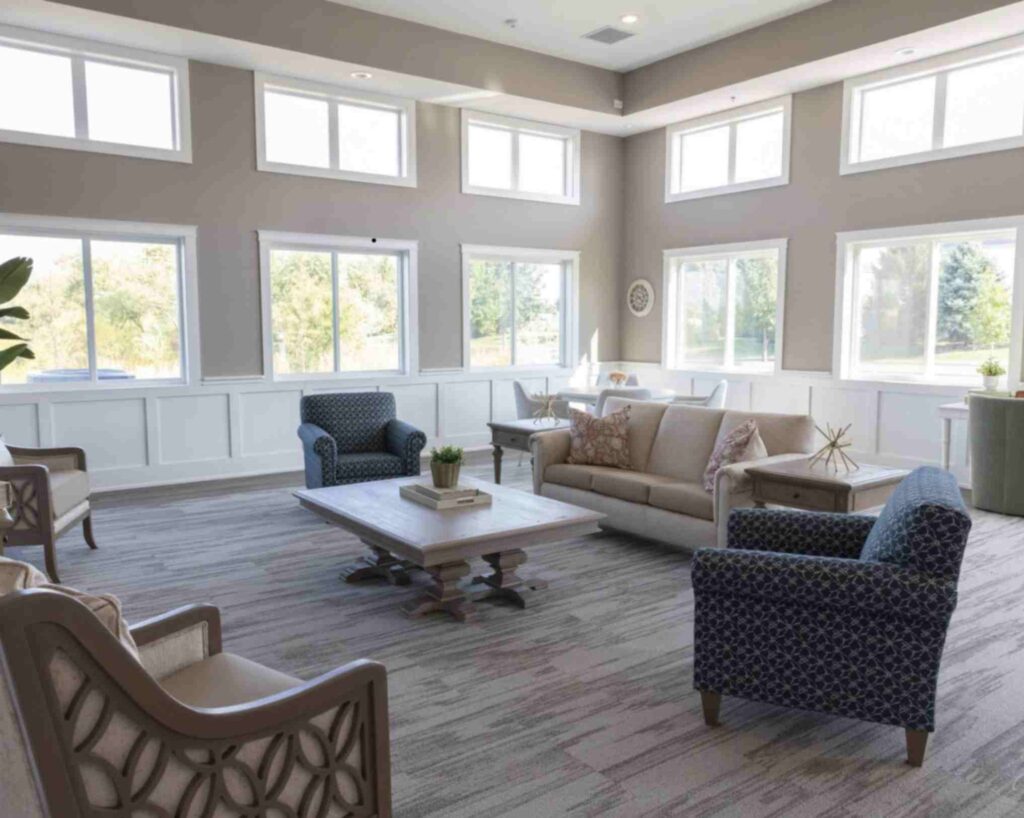
Nestled on Presidential Avenue in historic Plainfield, The Oasis of Plainfield serves as a premier benchmark for localized memory care solutions for Chicagoland families. Designed specifically to eliminate the stress of institutional care, The Oasis blends advanced clinical care with warm, home-like comfort.
1. Purpose-Built Sanctuary for Cognitive Comfort
The Memory Care neighborhood at The Oasis features specialized studio suites (289 sq. ft.) intentionally crafted to reduce overstimulation while promoting a comforting, familiar sense of home. The layout emphasizes easy navigation, soothing interior aesthetics, and an open center courtyard that allows residents to enjoy fresh air and sunshine safely.
2. Person-Centered Programming & Daily Purpose
At The Oasis, care plans are not one-size-fits-all. Staff spend time learning each resident’s unique life history, past career, hobbies, and personal preferences. Whether through music therapy, structured art classes, or familiar daily hobbies, cognitive exercises are seamlessly built into every resident’s day to preserve dignity and self-determination.
3. Scratch-Cooked Dining & Nourishing Connections
Mealtimes in memory care require careful thought. The Oasis features fresh, scratch-cooked meals prepared daily with wholesome ingredients. From home-style recipes to specialized dietary modifications (pureed, mechanical chop, or thickened liquids), dining at The Oasis is tailored to ensure safety while preserving the joy of connection over a meal.
4. Comprehensive Peace of Mind for Families
For families in Plainfield, Naperville, Joliet, and Bolingbrook, placing a loved one at The Oasis means gaining a true partner in care. With 24-hour dedicated oversight, on-site therapy services, and open family communication, loved ones transition from being full-time exhausted caregivers back to being supportive sons, daughters, and spouses.
Summary: A New Chapter for Your Family
Navigating cognitive decline in a family member is a profound journey, but you do not have to walk it alone. Modern memory care offers a place where seniors with memory loss can thrive safely, maintain their personal dignity, and experience daily engagement.
If you are evaluating memory care facilities in Will County, IL, or looking for memory care Plainfield, IL, experience how evidence-based design and compassionate care come together at The Oasis of Plainfield.
Take the Next Step: Contact The Oasis of Plainfield at (815) 556-2555 or visit them at 24700 Presidential Ave, Plainfield, IL 60544 to schedule a private tour of the memory care neighborhood and discuss a personalized care plan for your loved one.

Neil Beltran 10 August 2026